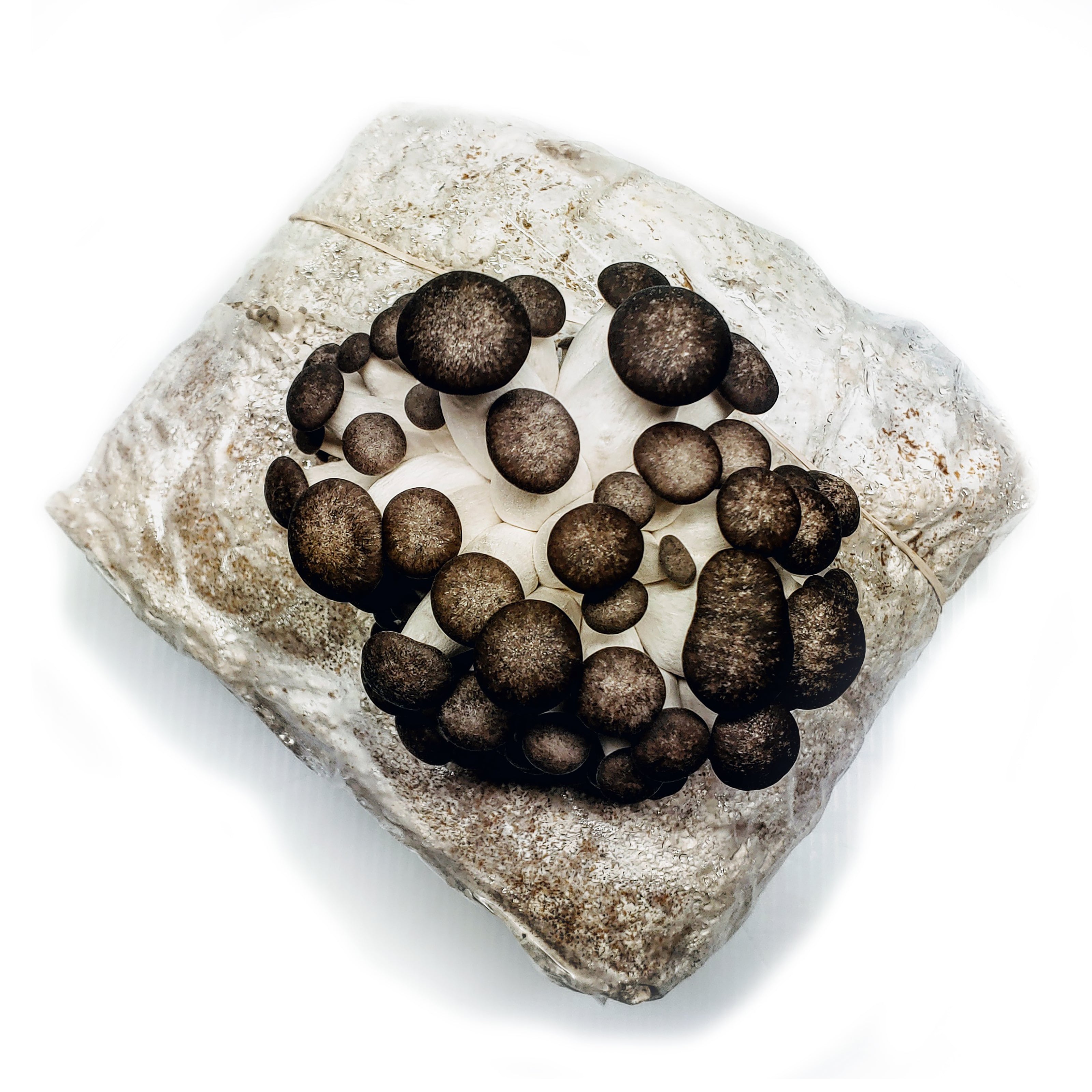
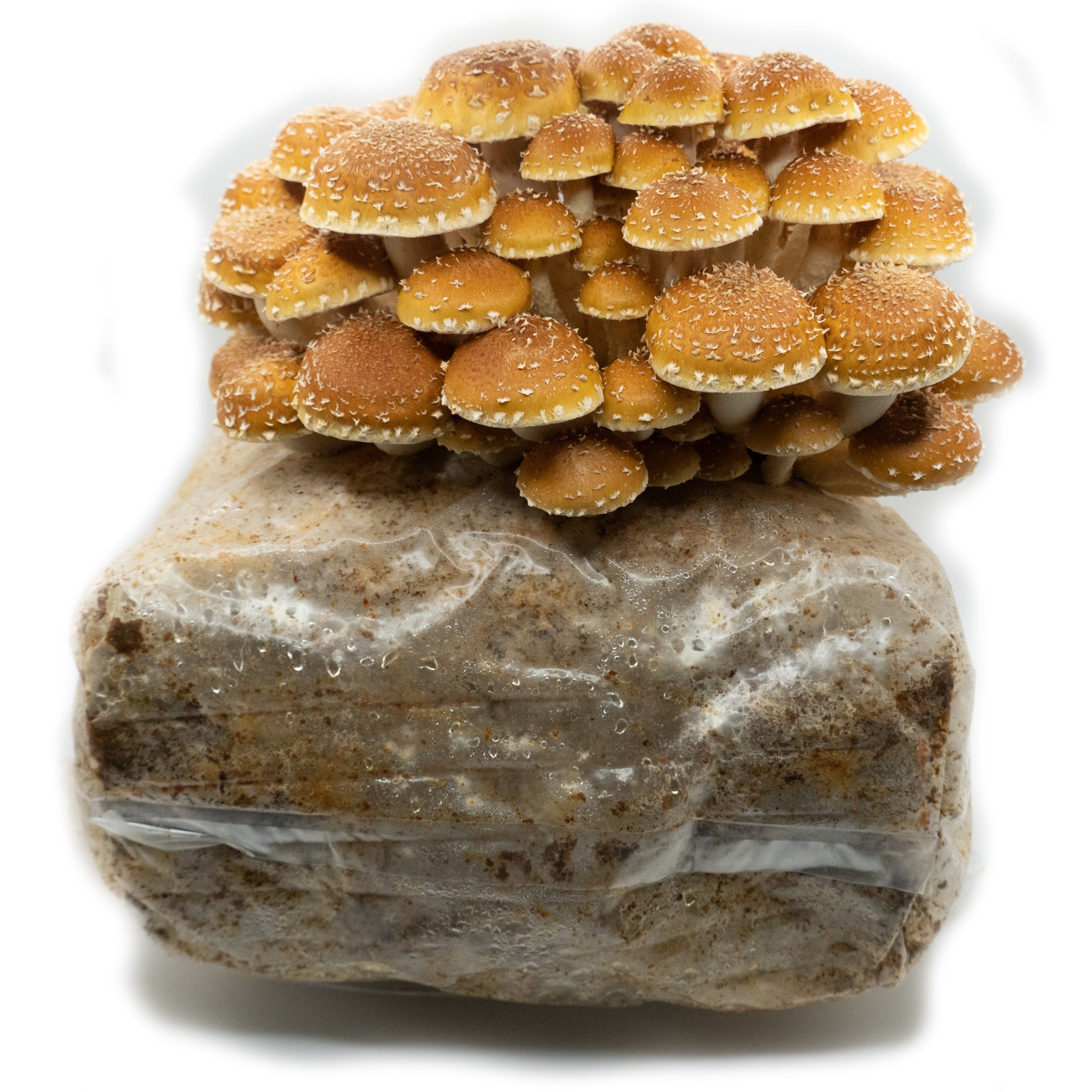
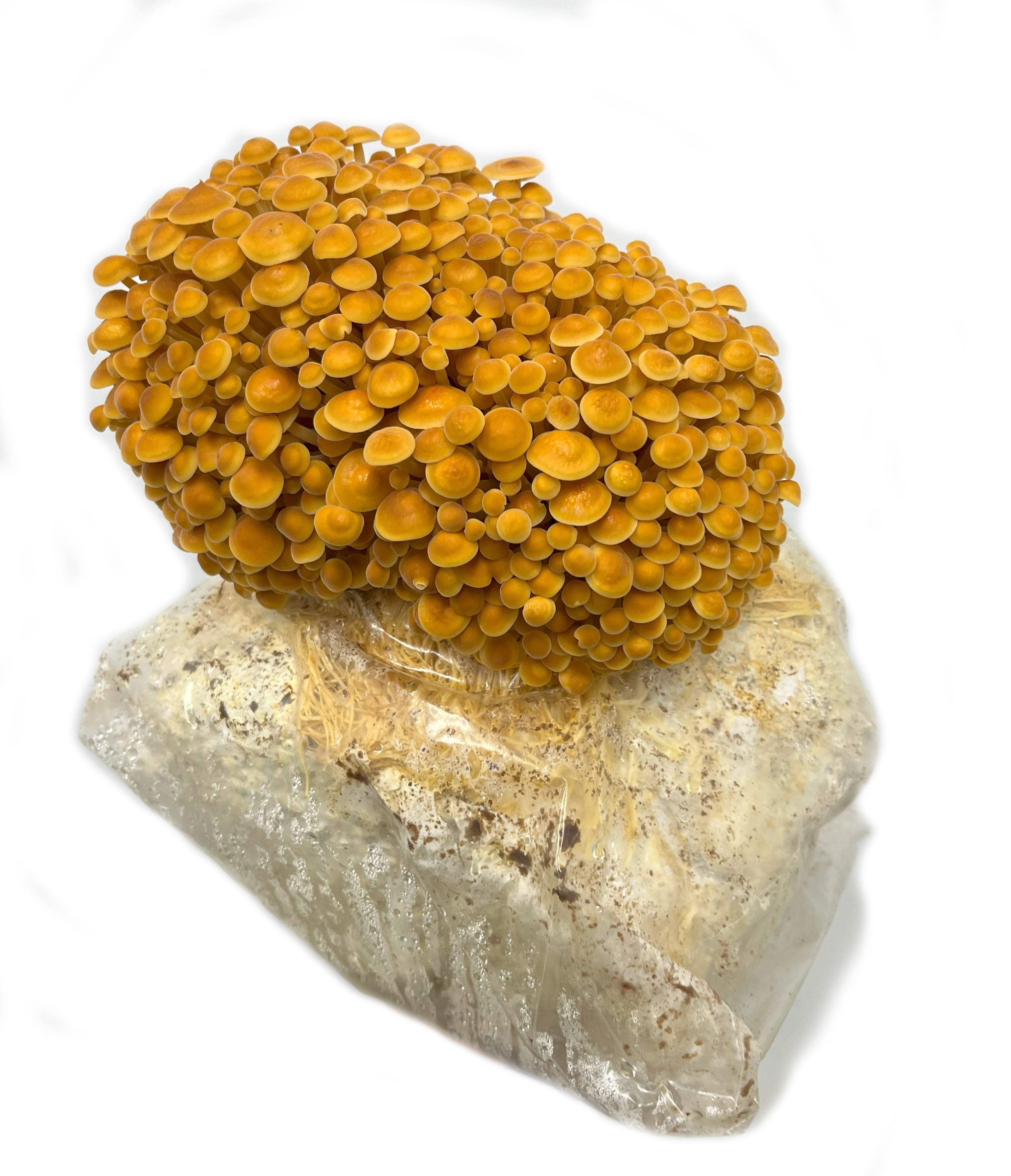
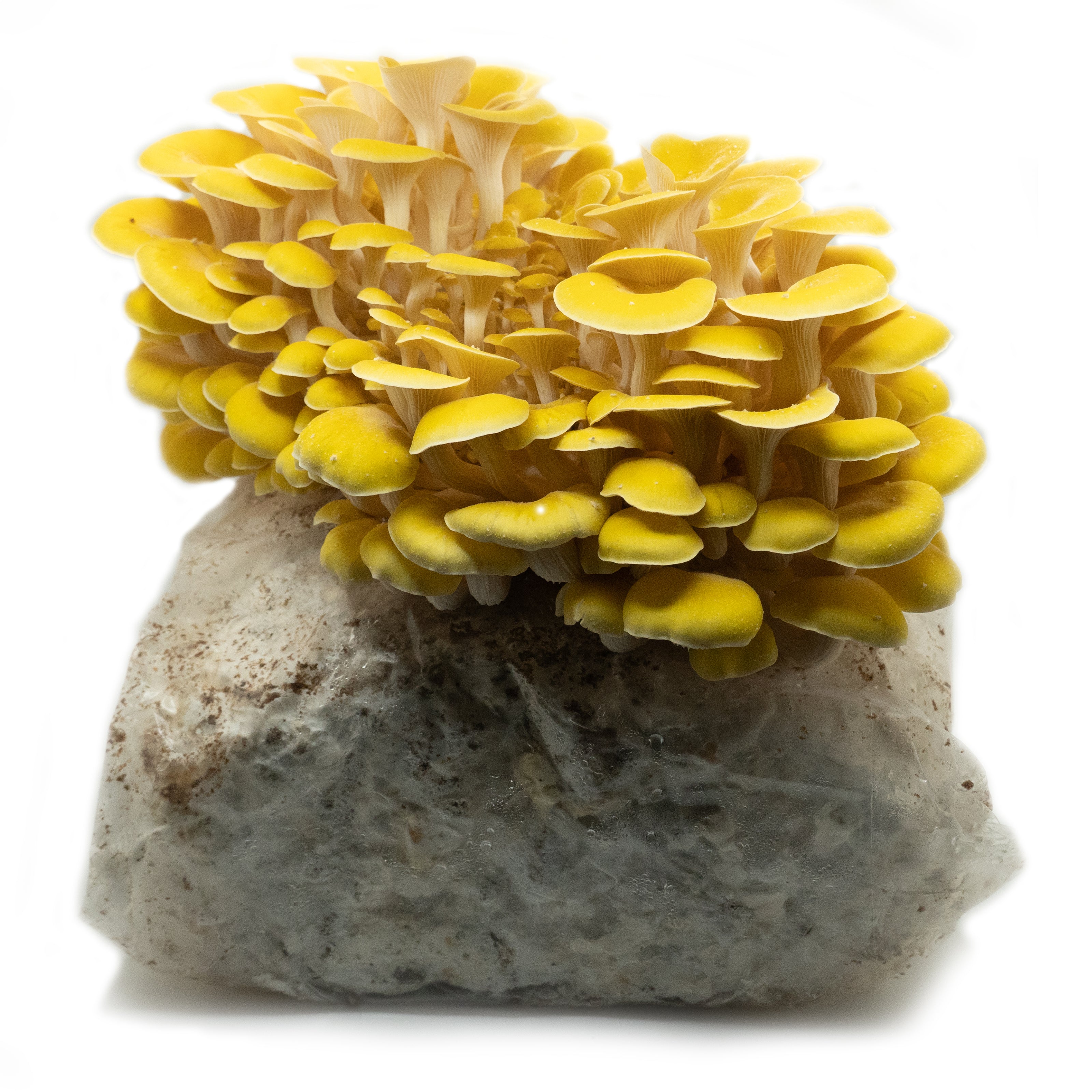
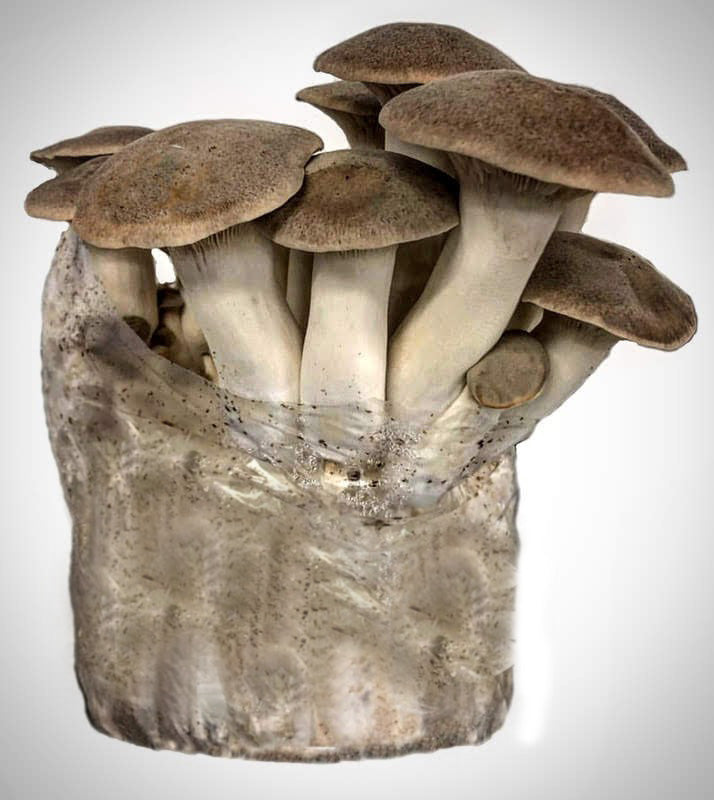
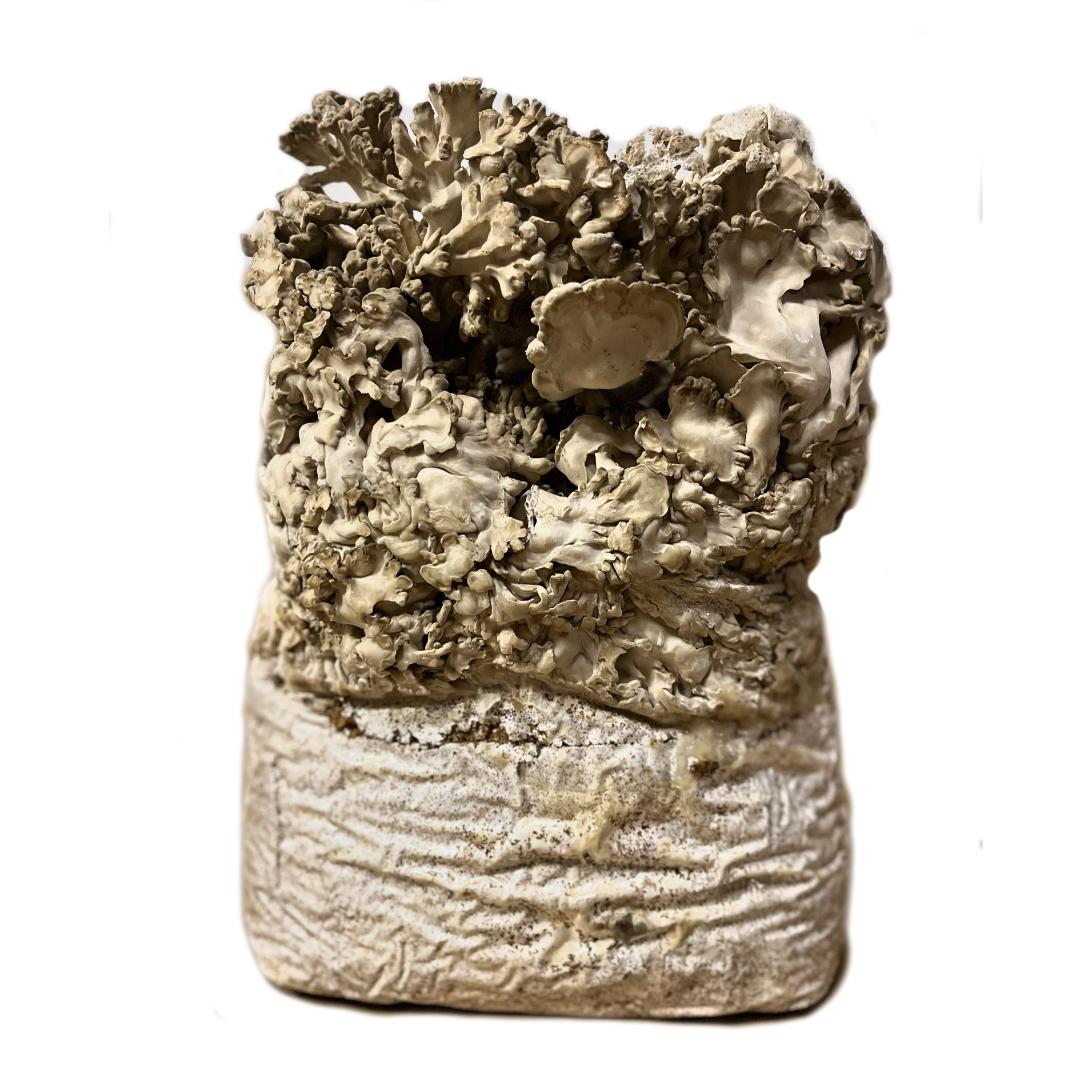
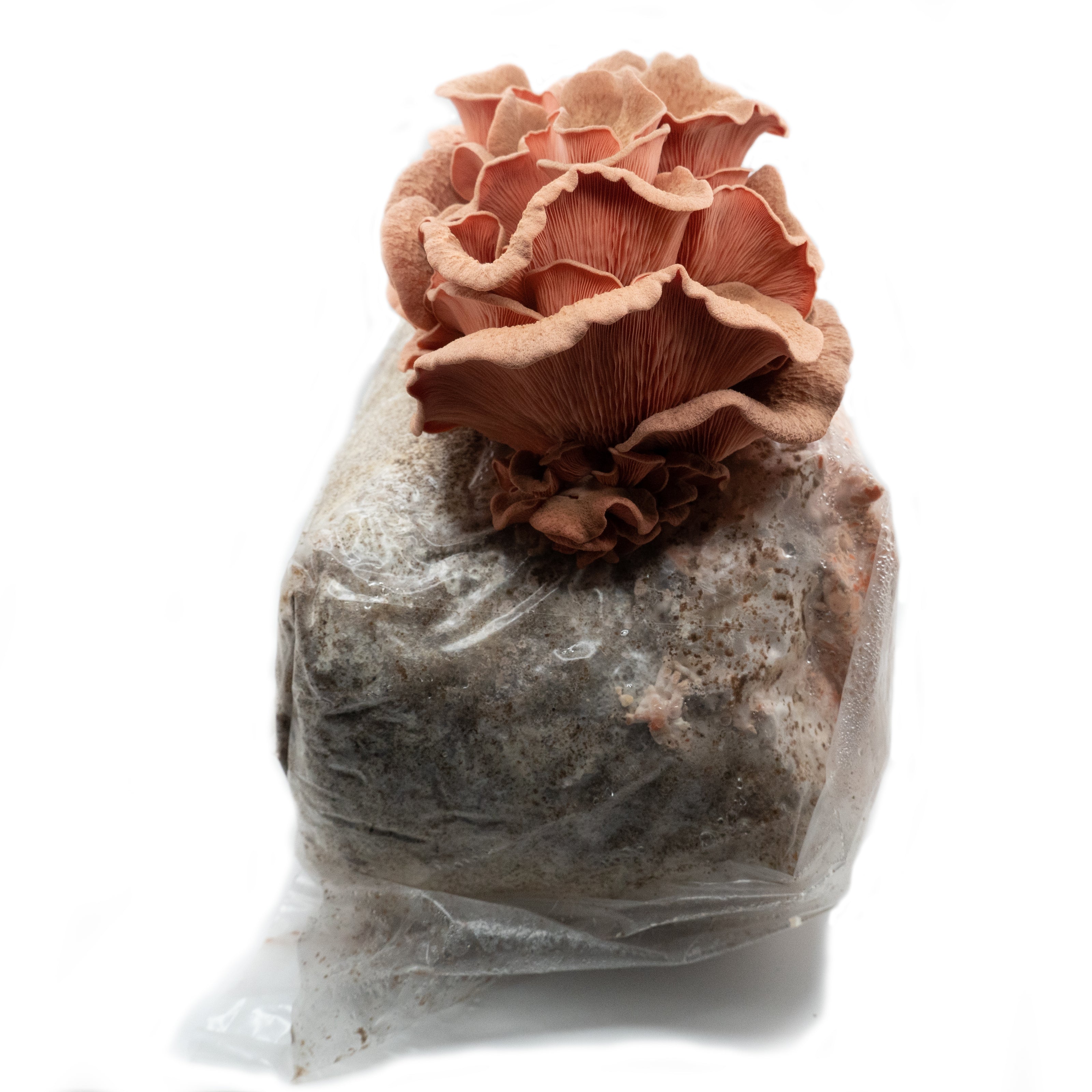
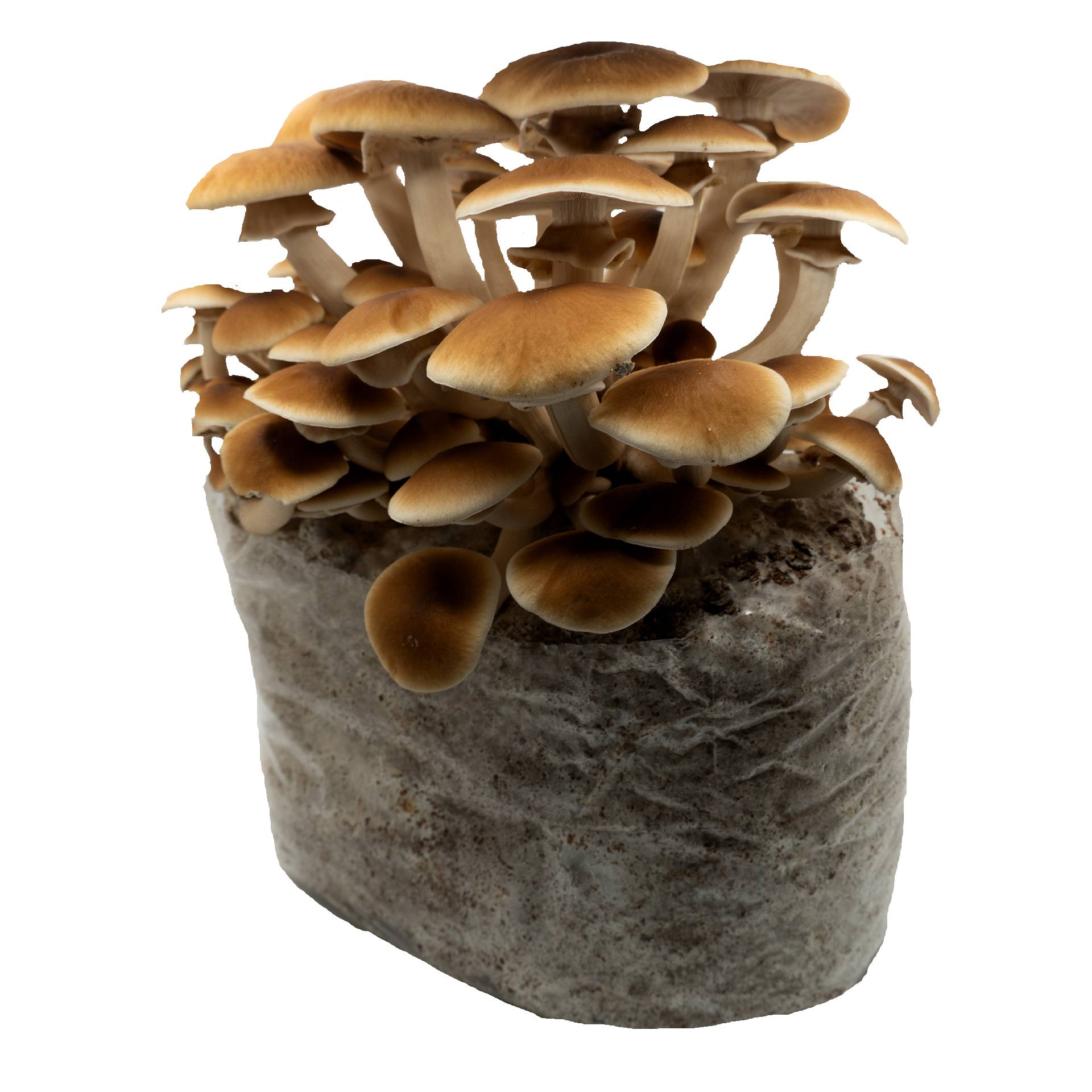
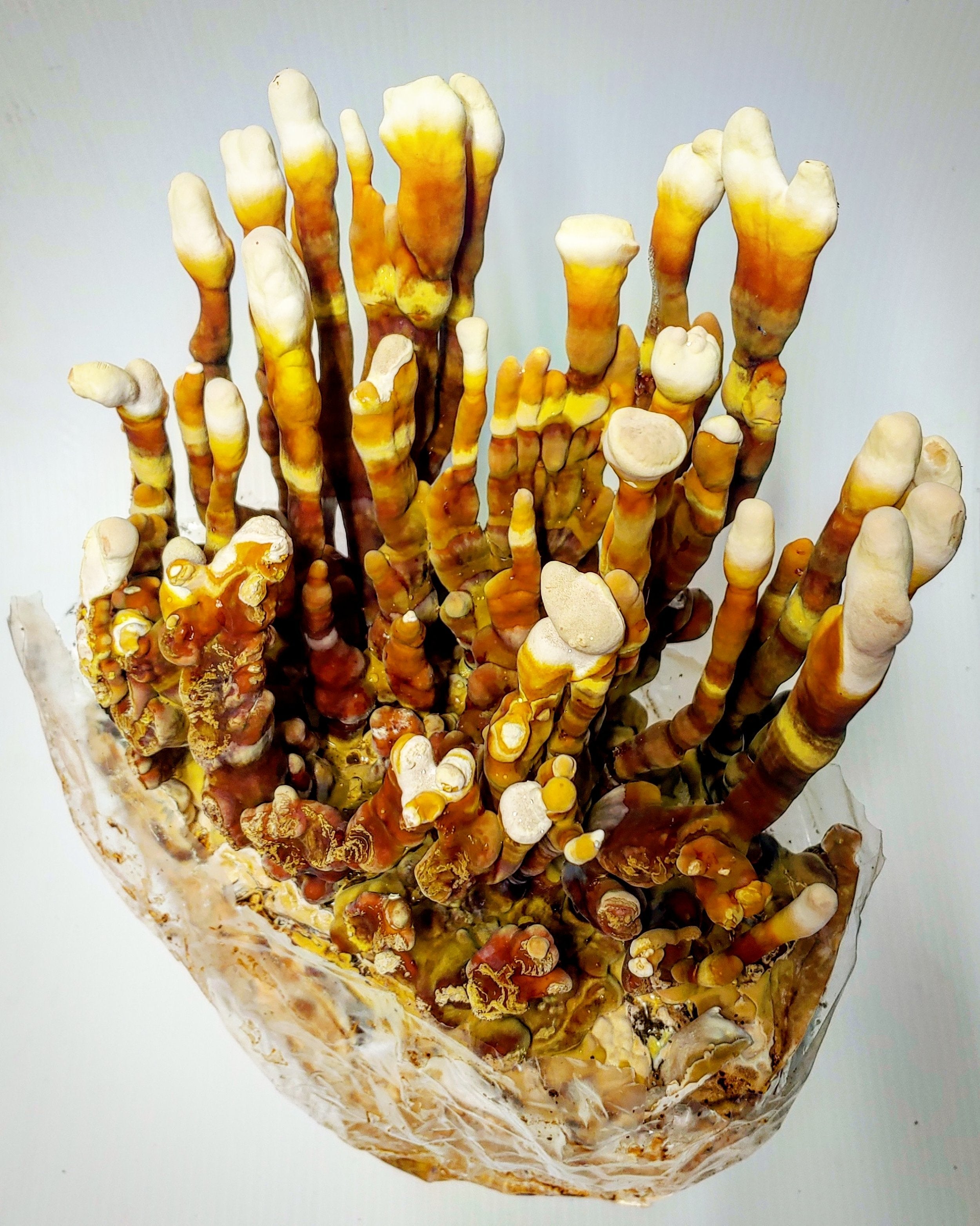
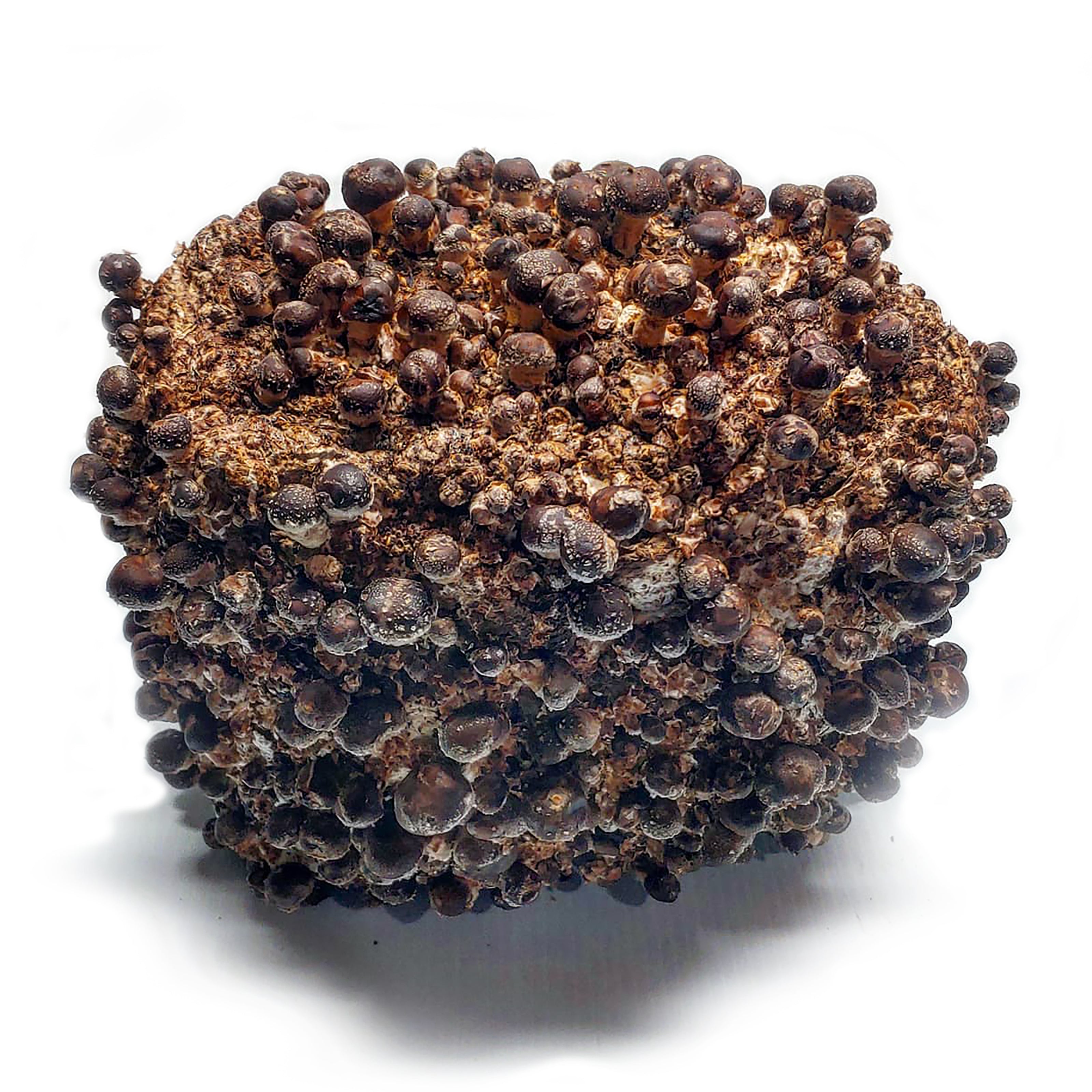
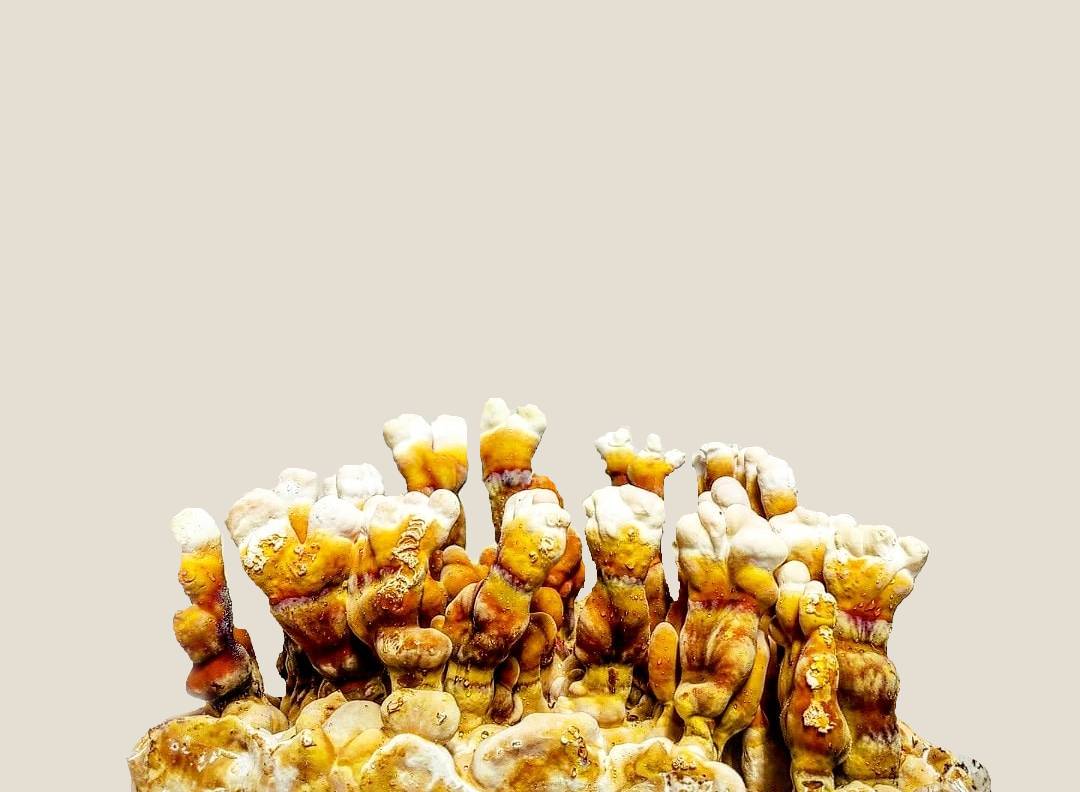
Alex Winstead of Cascadia Mushroom is a steadfast gourmet mushroom cultivator from way back! A true myco-nerd and hero in the world of traditional mushroom setups, employing the use of ribbon mixers, pneumatic baggers, autoclaves and semi-complicated environmental controls from the era before House Of Hydro and InkBird.
Topics picked out of the transcript automatically. Times jump to that point in the video.
| Time |
Topics |
| 0:11 |
kits, shipped, tyler, commercial |
| 10:12 |
early, table, medicinals, growing |
| 20:13 |
tyler, pressure, name, restaurants |
| 30:15 |
step, tyler, production, away |
| 40:16 |
ingredients, finished, spawn, list |
| 50:18 |
bagger, blocks, early, white |
| 1:00:19 |
shiitake, already, yields, thin |
| 1:10:22 |
bags, mycelia, write, strains |
| 1:20:22 |
send, cultures, mycelia, grain |
| 1:30:23 |
farms, block, plans, supply |
| 1:40:24 |
north, country, sent, step |
| 1:50:25 |
maine, hard, tyler, store |
Transcript generated automatically from the audio, so expect the odd wrong word. Timestamps jump to that point in the video.
0:11 from maine capensten this is the mica wizards podcast on today's show i brought Cap N Stem's very own spawn director tyler crawford into the studio to chat with myself and alex winstad of cascadia mushrooms out in washington state i got a call from alex many years ago now he's letting me know that i better snatch up an employee of his who's headed back to the east coast so i took him up on it and i really haven't regretted it a day since except you know for that one time i thought he was like a heroin addict but we got over that tyler's really the reason that Cap N Stem was able to develop a state of the art spawn facility in less than a year and i really have alex to thank for that uh you know connection alex has been in the mico game for a long time now and we took a lot of cues from his early use of john donahue's mycological inventions from auto baggers to auto spawners to autoclave stuff all the auto auto auto stuff you know uh john donahue's totally worth checking out he's of northwest mycologicals in oregon and uh he's got bags he's got spawn he's got everything they're kind of hard to get a hold of but if you can john's a wealth of knowledge and uh kim at the front door is a great person to talk to as well so without further ado sit back and enjoy the show that's the opposite with my mom she explicitly told me that she wanted me to be a girl yeah she tried every trick in the book what was your girl name taylor taylor yeah yeah yeah she like sat upside down every night and all the old wives tales she was bummed i don't i i can't remember if that my parents knew ahead of time or not or if they were gonna yeah like use use alex as the name either way but yes that would work if you're alexa you'd be so famous right now because everyone would be like hey alexa turn on my radio don't i can't yeah yeah that's not not my job man holy do you remember the first thing that got you into mushroom farming like the very first thing uh like to be honest the first thing that got me into mushroom farming was uh seeing paul stamets talk at evergreen where i was going to college pretty yes pretty vanilla introduction was it vanilla so you saw him talk in person right so yeah he used to because uh i was i was going to school in olympia washington where uh his company fungi perfecti is based and he would come and do you know his kind of like stump speech at evergreen every once in a while and i went to it one time because i was like getting into mushrooms i was getting into like wild mushrooms and magic mushrooms and i went and saw this guy i was like whoa like this guy needs like an army like let's start growing everybody needs to grow mushrooms this is gonna you know we're gonna change the world um one bee at a time yeah exactly that was that was a while ago before he was like quite so well known was it the same this was like the garrick and do the whole thing that he does now i don't even know if he was talking about a garricon back in back in those days that was like 2 000 maybe it would have been uh would have been like bought two or not three about there holy yeah so i think grand gourmet and medicinals came out like 95 yeah something like that so yeah yeah so yeah it was i mean he was getting pretty pretty deep into the medicinal side of things and um but it was the like i was a environmental science student and like ecology like you know trying to save the planet and this guy had all these like practical solutions that mushrooms can fix all of these problems we have and i was like yeah let's do that um and uh yeah so they it kind of blossomed from there you could say yeah and then you became intertwined with fungi perfecti at some point yeah i uh i did start working there and it was too it was 2003 i think um i was i was taking courses at evergreen i was doing uh i took their mycology course and then um started working part-time at fungi perfect i i don't say fungi i just say fungi i'm sorry guys you're a fun guy bro so yeah it's fun bro i hope you didn't know that and uh yeah i started started working there and i worked there for like two years so it was you know sweet i was like uh growing mushrooms as a hobby at home at that point and then i just called them up and like insisted on them hiring me and they were like oh sweet yeah holiday season is coming up you can put mushroom kits in boxes for you know 30 hours a week and they're primarily mushroom kids
5:12 right like they weren't doing much of the nutraceutical stuff they were just starting to get into it but it was still like heavy on the on the kits yeah we would just stack up pallets of uh like just popcorning white shiitake blocks um and they would get shipped out um yeah massive points shipped them just white and popcorn they're like i mean the more i think back on the way like all the way that i was trained there and all the things that we would do is like what um how big was the company at that point there was probably 12 15 people working there okay paul was still there all the time yeah i think i think they're really big now um i don't know if i know anybody who still works there honestly and they've got like two locations people who've been like yeah i've i worked there like hundreds of people have gone through there i met a guy there who is from norwich connecticut which is like 20 minutes away from where i'm from that's so weird yeah nice um yeah what was your take away from there what like because you just if you're just packing blocks and not really i don't know you're maneuvering around this sort of weird business that's growing but nobody really gets what they're doing yet yeah well no it was i mean i started as uh just putting kits in boxes and then i i made the full-time commitment and i just like put school off to part-time at that point and just went all right so time on their production crew yeah just you know learn how to drive a tractor learn how to load a mixer fill bags load autoclave um so it was like i mean it was an awesome opportunity for me and that's what really like you know uh you know kindled the flame of like i want to be a commercial mushroom grower and yeah it's really fun working for an eccentric genius um and yet like this isn't i still want to like i had the goal of you know doing my own thing at one point um did paul have any like weird notions of all the like farms he was generating by like pulling employees in like you who kind of went off and did their own thing it was occasionally awkward and then there was there was sometimes bad blood too that would come up and i don't know if it was just like if you didn't go about it the right way um yeah i always had a good relationship with him while i was there and i and i told him after i left i was like hey paul i know in my contract it said like and there was like an employee contract it was like don't start a fungus you know commercial fungus business you know for three years he's been doing that all the all the long dude yeah there's there's contracts for everything um it was like without his permission i was like i was i think maybe gone for about a year and i'd moved to bellingham uh which is yeah uh you know kind of the other end of puget sound from olympia and i just wrote him an email like hey paul i'm gonna i'm gonna start a small operation selling fresh mushrooms can i have your blessing and he was like yeah go for it let us know if we can sell you anything pretty much that's cool so yeah it's like asking permissions that worked in that favor yeah i mean i i owed i felt like i owed him a lot for just you know showing you know just letting me in there and just you know i got i had free reign on the place um yeah yeah that's really cool man i mean that we haven't even gotten to that point here i'm sure plenty of people even him could just go like start a mushroom business but like that's what i was hoping he was gonna do and then he ended up you rubbed him in yeah yeah wait a minute did i wrote them in so we had this conversation earlier the first time that i think i i heard anything about tyler was because you texted me i don't remember what the text conversation was in regards to other than you said somebody on your staff was coming this way and i should hire him because you didn't want to let him go yeah well sort of i knew to uh figure out all the different mushroom farms in maine so i you went to every one i went to all of them um and uh i believe that you told me something like it's just a like hard scrabble group of young guns that seem like they're gonna figure it out they're asking me too many questions um that was my impression of them that was in regards to us specifically yeah yeah because because the bagger the bag and uh oh you're right you were pumping tyler for intel i remember yeah right and you gave us like the the first sort of uh glimpse at john donahue's sort of setup yeah don't tell don't tell i mean maybe if i sing it to him in like a folky you know way he'll be like hey you want to be in my band yeah yeah yeah do it with a mandolin that's still one of my favorite photos
10:12 you ever sent me i was like man you couldn't find this if you tried it's amazing yeah yeah so i guess that was my first like weird introduction to uh to an employee that had anything to do with mushrooms because i think our goal in the beginning was like don't hire people with mushroom experience because they're all well they're just nuts like yeah it's a wild card right because you don't know what uh you never know what type of a system that they worked in where their first impressions were based you know so like you know for all you know somebody worked at some mushroom farm could be it could just be a complete crapshoot and you got to undo a whole bunch of bad you know habits and stuff yeah yeah like i remember coming i toured all the different farms and i remember coming here and uh realizing that there were just so many clear-cut parallels between how you have your thing set up and how they had Cap N Stem set up just being like all right well this could be a pretty easy integration you know as far as i saw it then didn't really anticipate that pisses me off because i remember calling you alex and you just blew me off you were like yeah i don't know wait when was that i don't remember i i think uh i'm trying i i contacted you about um perhaps like uh your autoclave where you got it so on and so forth and it took like four or five like attempts at getting to you to be like so give me anything and i think that was like when was that 2010 2011 somewhere in there so i'm sure that even back then you were you're in your coveted like you know pacific i was westworld yeah and i was also i mean i guess uh yeah early on like i had just put it all on the line for my farm back in those days like it's 2009 i got a big loan from the usda bought the property built the buildings properly could not make payments because it takes forever to build out a mushroom farm if you're doing it by yourself you don't have a whole lot of money and then to get good crops going too it takes a while um and i had a bunch of people contact me around that time and i was just like you know i don't even know if this is going to work for me yet like i don't didn't feel like i had a whole lot of business like and it at this point now i see the folly in that and that we could have all been learning from each other a lot earlier um but for that to turn around though like there's a bit of an ethos now where people want to share information and help each other but i think that's been a recent change you know yeah it feels like just trying to covet everything yeah for me i was like i guess people at the table on cmgn and i think that kind of revolutionized your realization of how many people actually were communicating yeah correct you know if i'm wrong i was just like oh alex is here now yeah i didn't nobody told me that that existed until uh we were all hiding it from you yeah i still don't know what it looks like yeah you can't even get in the door but uh i don't know i just i didn't spend a whole lot of time on the social media side of mushroom growing all of the the forums and everything and i've listened to a couple of the podcasts now and i'm like man these people spend a lot of time on shroomry i could not stand being on shroomery oh really to learn anything and like i guess i think i was started just a little bit too early for it to be useful um because it was still just about growing cubes in plastic containers and i was like all right and then it was just like direct quotes from growing gourmet medicinal mushrooms and i'm like all right i already have that book like um all right you had the competitive edge man because you had fall at your fingertips you know or the rest of us yeah it's not like he's answering my phone calls or anything but i just i got the uh i did get the training but yeah he's got like four gear con hats back there you see that shoe where's the giant black rishi i'm sorry yeah no i give like too much like to that sort of early development of uh of the pacific northwest farms it all emerged out of stamet's area but they all did it was crazy he created this like strange cult thing without him realizing it i think and uh yeah maybe he did i don't know because i don't know him at all you know i just know that what i see now versus what you see in like the early sort of demonstrations talks conversations everything like in the evolution from cubes all the way through to the gourmet stuff is just wildly different yeah yeah yeah and now that i am more networked and connected with growers all over the country and all over the world like i've
15:12 i've learned so much in the past you know five or six years you know compared to the first you know 10 years yeah yeah well so like take us back through that first initial you know call to paul and your decision there and sort of what what steps did you take because i think you know a lot of us can't even recall without really thinking about how we got here the actual steps yeah i had yeah left uh i graduated from evergreen and then um yeah quit working at at fungi perfecta and moved to bellingham um and got up here and was with a lady and didn't really have anything to do i had like a job at the co-op cutting meat and um but at the same time i was like well i'm still running my like hobby mushroom growing operation because i always have since i learned how to do it like i always got a flow hood like in some little closet somewhere and um you know making a couple of blocks here and there just for like growing food um i was like i still really want to do this and we rented a house with a a full basement and a garage and i was like well i'll just guess i'll just put my lab in the basement like well i guess i'll just build like a tent in the garage and turn that into a fruiting room um and uh yeah and then i i yeah i decided just to start the business and uh got a a table at the farmer's market in bellingham with like my first crop i had like one little table with like you know 10 pounds of mushrooms for the whole day or something and sold out and i was like well people are really interested in this and just started developing the spiel about telling people about weird mushrooms because you know back then it was like you know one out of 100 people had ever heard of lion's mane before and he still had to tell people about take and oyster mushrooms and all that stuff and so um yeah just really it started at the farmers market and just building that um then uh yeah i just zoomed in like found cash and made that next step towards actually putting money into it yeah i mean it was just like uh all any money i made from it just got you know dumped right back in the business and i'm working part time too to pay for it but it always kind of sustained itself for the most part and then i yeah moved to another place um where i was living by myself in a in a cabin out in mount baker foothills and i had like again like a cabin with a full basement and then like on the property the landlord also had a like a portable building it was you know like a building up on blocks i was like can i rent that too and he's like rented it for me for to me for like a couple hundred bucks a month or something and so i put the lab in the basement put the fritting room in the shop that was like just down the driveway and i was like i and my first setup was uh i learned how to like in the beginning i was just sterilizing with a couple of the the 40 quart pressure cookers and just you know you know doing sawdust that way and would do a barrel of straw every once in a while just on top of a like a crab cooker propane burner and uh this was about the time where i was getting my like my shroomry was these uh there was this website that was like mushroom growing international and they put out these two booklets one was about growing shiitake mushrooms and one was about growing oyster mushrooms for like third world countries you used to be able to get them download on the uh on the aloha medicinals uh site he had a link to them in pdf it's like this whole document and it's like i think it was mostly in english but um it was like so easy to understand it was all like pictorial and i was like how to grow shitake and uh they had pictures of these guys in thailand i think um with the just a 50 gallon drum on top of like a wood-fired burner and they would put just like six inches of water at the bottom and then pack it full of bags of sawdust i was like usually like a live flame at the bottom you know they're like stoked in the fire yeah yeah and then you could do like a whole they had a whole row of them it was like a little rocket stove for each one of them yeah and uh i was like man if they can see that i can see that yeah man i remember downloading something very similar from that because if i remember correctly like aloha medicinals had a very small and cluster like uh cultivation page and it was like very hard to disseminate there's like improper spelling everywhere i was like who the hey that's right that's where you mine a lot of good info though like when i'm trying to pull in some weird species into the spawn lab
20:13 and like yeah i'm just like sparacis crisp cultivation and then you just find some article from like wherever the country in asia or africa and again it's always pictorial like that and it's like oh these people are doing it like yeah they're doing it like their fruiting room is like built out of like thatch you know and they just like they're poking holes they burn it down like every year or something you know to sterilize it yeah yeah yeah yeah it's like the blueberry bearings yes just light it on fire and it yeah it's a good reminder though with all the high-tech stuff yeah yeah people are still cranking it out with nothing nothing to work with you know yeah evolution's been like china-wise because it's like you see farms like that like in in most asian countries you know and then at the same time you see these monoliths sort of popping up that are just like one person factories and they're just ranking out like key and it's uh i wonder when that evolution started to like really become a major component to their thought process of cultivation because before then it was like entire townships that yes produced yeah yeah yeah yeah yeah and they would do like a like a centralized uh distribution thing where they like make the blocks in a factory in the city they distribute them to the little towns to do all the fruiting in their little like thatch huts and then they come back and buy it and like everybody picks and dries the mushrooms and then the company comes back and like takes all the mushrooms back to the city to sell in the markets yeah they're all dried right yeah um and it's like yeah just learning from stuff like that so i'd set up like a a propane manifold with like five five burners and five barrels and i could do like 150 bags in a you know 12-hour day or whatever it took to get it up to temperature yeah and uh it's such a long time people still struggle with that trying to get those bubba barrels up to temp yeah yeah so you don't start with low pressure and then you sort of pressure cooker low pressure to pressure again yeah it just came to uh when i decided to like make the next step because you know i got to the point where i could grow like 100 pounds a week or whatever and it was just it was never enough to do all the opportunities that were coming my way and uh yeah i found out about a usda you know beginning farmer loan program and was like oh this is like the only possible way i could get money um you know without like looking for investors or whatever um so your family friends like nobody was like of the uh of the sort of people to reach out to to try and grab yeah and i just had no credit either like there was just i had like you know i had just no no credit history like really until recently and uh the great thing about usda is they're they're a lender of last resort so they'll they'll loan to people they're like they don't want you to have credit if they're going to loan to you and they have dirt you know dirt cheap interest rates and long terms and everything like that and so i was like all right like the the guy at the service center here in my county was like really interested in the idea he loved to he was like a hunter and he would go pick chanterelles and like was super interested in like alternative farming projects because everybody else up here does either dairy cows or raspberries and blueberries and so he's like well something different like yeah i'll help you figure this out like let's let's get you the maximum amount and so it was enough to buy the property build the including my house and yeah do you know how much uh came from that particular loan per grant i mean yeah it was six hundred thousand dollars for the everything yeah um it was like 300 for equipment and 300 for uh like real estate and infrastructure yeah what year was that i would have been 09 yeah i built it in 09 right and you were like operating out of garages and what have you before the five is that right so i think it's all worn away to nothing now but my old cascadia shirt says established 05 and i always thought of alex's like mythic garage in the woods when he had long hair you know just hair just hair period yeah there you go yeah i don't know yeah it does this i just keep wearing a hat to hope that i can hold it all in you know yeah if it stays man that's pretty incredible so at what point did tyler come into that picture what were you you were sort of established at that point and you had your sort of facility fully tyler i want to know how selective my memory is because i kind of completely saved her when did when did tyler come in and save the day he was the white knight he always is until he's puking on the
25:14 doorstep he's not joking he was saying that tonight he's like i'm pretty sure that happened the first time i worked it hadn't occurred to me but like both a week into working for you alex and a week into working for eric i had a crohn's flare up and like was a complete mess you remember i went into the hospital and then you were like terrified because i came back to work after getting my guts ripped out like five days later yeah yeah that was that was freaky yeah i'm so nice i was just like dude we hired a joke yeah yeah yeah you were concerned he was gonna call you and yell at you sent me a broken mushroom farmer you said you wouldn't ever give him up if you couldn't we've been through so much together at that point so right right um yeah the tyler came he he came to one of our workshops we were at that point i was still enthusiastic enough about my work that i would want to teach other people about it um i have to do it through podcasts because i don't want to talk to people one-on-one yeah we would do like on-farm workshops like twice a year that you know we just teach people about growing mushrooms in their gardens and like have them pack straw bags and you know show them around the place and make them feel like mushroom farmers for a day and tyler came to one of those he was kind of the classic starry-eyed youth who was like man i'm super into permaculture and mushrooms are way groovy and yeah like it was like a week later i had a resume in my inbox and i was like yeah that tyler guy was pretty cool i'd think about hiring him and uh yeah yeah i remember coming into the office just telling eric this came into the office for my interview and you and your mom were in there and i remember walking in and i'm like trying to impress you guys like total idiot and yeah um i remember saying i don't remember the guy's name but there's this like canadian mycologist who wrote some medicinal mushrooms book or something um and i remember david you guys were asking me like what experience do you have and i was like well i went on a foraging trip with the i couldn't remember his name and i remember your mom just stone cold was like paul stamets yeah no no no it wasn't paul every every mushroom celebrity is paul stanton yeah yeah exactly yeah that scared me shitless he's definitely attracted the uh the mom crowd that's for sure like everybody who's over the age of a soccer mom is like oh have you heard of this man he gets bees on his face and then solves the world's crime and that's what you're doing honey you're saving the world yeah gather the honey on you yeah you're really cool yeah making mama proud yep yep yep just like yeah that's right man you aced that interview he's like oh yeah even my mom liked him she liked me really oh that's good yeah is she was she a hard read is that the i thought she was like she's gonna kill her i thought she was trying to defend her son yeah like seriously impulses good poker face yeah yeah yeah you don't want to mess with oksana no yeah her name is oxona oksana oksana okay i was like oxona yeah yeah you don't have a name that cool no that's still a man did she work with you still or no no at that point we were uh she was helping me with a grant that we had gotten and she was helping like with the uh like submitting our our grant uh reports and stuff like that she's she's a very detail-oriented office person so i pull her in when i need a lot when i need like special help and she's happy to help her she's falling apart yeah she's retired but she comes into my office she's like this place is a mess that's good to have those people man i'm i'm very like disorganized at moments and then ultra organized and i i have to have people around me organized otherwise i'll just lose it all you know i can't even find anything so i sympathize but i think that's part of like owning something you can't have everything perfect all the time you just have to live in disaster yep and have a good feel for it it's like my pile my piling system my pile system oh yeah it's like i know where that is yeah and then i go through my piles i'm like wait where'd this check from like six months ago come from i know we first started getting checks from restaurants i remember uh christopher i just gave him to christopher i didn't know what the to do with them we didn't even have a bank account and he was just giving me money to make more mushrooms grow and i just give him checks and i remember like months and months later just finding like stacks of checks from restaurants that he'd never cashed and i was like the yeah they're all like 35 dollars but they add up you know and you're like damn man that was a lot of cash i'm sure you did
30:15 eventually cash then right well tyler brought up an interesting factoid uh and something intriguing to talk about and that's sort of like hiring in general and how you how you cultivate the right type of employee for a mushroom farm or or just a crew or a general culture you know because the amount of farms that i've talked to that tyler talks to i'm sure you talk to you just like on their employees left and right is astounding and i think the one interesting thing that i took away from when tyler got here talking about cascadia was just the fact that you had people working from you of a variety of backgrounds that were just like they were just stone cold killers work wise oh yeah it's the tightest crew around yeah like i remember coming into Cap N Stem and totally blowing people away like i could do all this work so fast just because i had to work with angie and tanya every day and those women are beasts you know yeah yeah no you can't step away you know because you have those people yeah we've got a bomber crew um i mean my like that i think that all like for me comes from the work ethic i developed at fungi perfect i like we when i was there at least the crew i worked with in the production crew like we were we were like that we were like all right we did this fast but let's see if we can do it faster next time like all we're doing is you know freaking lifting bags shaking them and putting them on shelves like we can do better than this um we'd just be like sweat pouring down our faces and just like moving through like sliding they had like their warehouse was at like three different levels so you'd like slide these massive carts of bags like down a cement ramp and we'd be like skating down it on our flip-flops and stuff and i mean i think when i started training people i kind of brought that i was just like all right you got it down like you can do it perfectly like now let's do it faster and yeah um i mean yes angie and tanya total badasses tanya is back by the way um she's still here so that's that many years ago and also kylie who moved into your position tyler when you left she's still here they're some of the best workers i've ever had our new people are all awesome too since then and it's been a long time for tonya now huh like i know she stepped away for a little bit there took a hiatus but like yup it's been a number of years yeah she came back to join the doomsday crew at the beginning of the pandemic when we needed extra help um and uh yeah has totally like back in it stepped in and and feeling the groove and just kind of running the production crew really really tight doing a great job with just managing everything and we're still expanding and growing like within our footprint right now and things have gotten a lot more complicated and i've also like tried to step back even more and not micromanage as much of that stuff so that i'm not getting in the way of things working well um that's been like my big lesson the last couple years is like um yeah just giving giving people the authority to to do their job well and um you know giving them the space to do it well um once they obviously once they know how to do it and then it's theirs right yeah but aptly describe my job as like a business owner in this world as i build rooms the way i'd want them to be built and then i leave them i evacuate them and hopefully i never go back in them you know that's just like unless somebody quits or has a sick family or whatever you know yeah it's really about making these things and refining these sculptural items and this is just stepping back yeah but you don't have a degree of micro management and you if you're going to be able to do that and step away you kind of have to trust the people you hire i feel like my job's half like maintenance or maybe two-thirds maintenance and one-third like running the business um yeah and uh yeah it's uh i think yeah as far as just developing a good crew is you know making it so that people can have fun while they work too and uh yeah just um i don't i don't know how to pick a good person but i've been lucky with with picking them um i think you just get lucky right like that's that's half the battle in this thing is if you if you're not like fronting a fake persona and people actually seem like they want to be there you end up doing all right you know yeah it's when i think the people hiring or like putting up this thing like this is a serious position and you're you're bound to stay here forever and you're like that's not realistic at all yeah yeah and you're just saying too like so much of it's just like your first read like if you're someone who can cultivate
35:15 a good sense of judgment about those first impressions you can get it right a lot of the time you know yeah yeah yeah we've like refined our interview questions too quite a bit to like you know pick out people who have certain types of experience um you know that will will be good at production type work and not like we've broken a couple people you know that don't they just don't last it's like less than six months um and yeah so it's just you know kind of finding those questions and then like once they get here they kind of have like three months to prove themselves you know and then if it's not working out we gotta have like a talk um yeah and i haven't really had to do that so people and then people sort of you know if you if you're not into the work and you can't handle it like people self self select and kind of move on um so yeah that's my my like number one uh goal is trying to like perpetually get people to move on i'd like stagnant you know sort of work is tough and you know a lot of this is so repetitive and redundant yeah you can like sense it when somebody's just like they need to be gone you know yeah you just have to push it push them to actually go you know yeah and part of me like giving up more of my like day-to-day responsibilities is like allowing people to kind of move up in the the business too so that they can have other you know responsibilities and kind of spread it out a little bit more yeah that's i think that's been helpful for people staying around longer just like giving a little bit more responsibility a few different things to do um yeah more money yeah more money more responsibility yeah that's the one thing i think a lot of farmers don't know how to give up and and i like it's a stretch to call us farmers at this point you know it's really like running this crazy business of variables you know but there's this the food thing ties people into a degree and then the weird mycology thing and then the the nature of being able to bounce around a little bit and not just do the same like you know petri dish movement every single day you know yeah definitely helps yeah and we do that with our crew and i know other farms operate differently where they kind of break up the crew and like you got like a harvest crew and a production crew and a you know sales crew we just kind of all work together throughout the day and like you know just just kind of just like around the clock sort of like we mix in the morning we do lab in the you know middle of the day and then we harvest and compost in the afternoon so you're always kind of doing that like sort of the one way well you know alex why don't you describe like you're gesturing a circle and it is literally a circle at your farm like a lot of farms aren't set up that way but you have this interesting design where it is literally as you do all these tasks that all mushroom farmers know and do every day literally don't have to step backwards on your farm to do those in the proper order that anybody else does um it's it's pretty special you know yeah that's that's a good point i bet i guess i don't really like see that that much but yeah it is it is that way now that you mention it but yeah it's like yeah sawdust goes in the front door and then like compost comes out the back basically yeah yeah yeah so we've got our uh we actually just i'll send you guys a picture at some point we just built a sweet uh cement sawdust bunker finally freaking 12 years after moving on to the property i now have a proper sauda storage bin um i'm a big boy now um yeah but yeah the kind of the front of the farm there's there's all the bulk materials and it goes in right into this carport area that has the the mixer and the uh that's where so we mix the substrate bag it and put it onto our retort carts goes in the retort straight from there goes right into the lab do the inoculations goes right out the back door of the lab into the incubation room and then there's a little sidewalk that connects the incubation room to the fruiting room everything goes in there does its thing and then coolers right outside of the breeding room and then the van pulls down boats up everything out of the cooler and drives away um yeah it's kind of a compost is out the back still yeah actually we've got a we've got a local uh cannabis farmer actually who comes and collects our our blocks straight off the rack and he takes it and composts it with his he uses his neighbors um cow manure and hay that they cut on their field and they make really nice compost and use it like he doesn't even sky like uses like no fertilizer on his on his crops um i think people are just realizing like the value of the mushroom stuff too
40:16 there's a lot of people who are like realizing that there is money out the back door which is pretty it's a it's an important realization you know yeah yeah and we've we do compost sales and we bag some of it and yeah i think like phase two for me on my my latest like concrete pouring is to do a proper composting bin um for that too because yeah we are we are not capitalizing on that end of it but the nice thing that we're not doing is we're not unbagging substrate we're not all we do is like roll it out the door when they're done truck comes picks it up drives it away and like a deal we only have to like actually empty compost like you know for like an hour per week or something like that like if if we just have too much that the guy can't take it's just like all right we'll throw it in our pile and yeah we'll bag it up and take it to the farmer's market but that's pretty cool yeah so that's it's like hard for me to give up on that idea of uh not having to unbag all the substrate that stays in bags and yeah do all that but it would be nice just like you mean just fresh compost like stuff you throw in like a mixer and actually bag up uh that's what we'd like to be doing you know just to get that like finished that finished compost you know between like march 1st and may 30th we get you know 10 calls a week for people wanting to come and fill their pickup truck with compost and we pretty much just say no because we don't have it available like we're selling it for six dollars a cubic foot at the farmer's market um it's pretty good yeah and so and because we're we have this other farmer coming and taking all of our stuff we don't have just like bulk quantities we can be selling right now yeah yeah it's and he uses it specifically for his soil so he's not even making like a value-added product from it at all he's just just he's yeah he's just saving money uh and and putting in sweat equity instead because he comes and does all the work yeah yeah yeah and then you guys are saving a fair bit of you know money too and then the form of the labor required to add to that giant compost mountain that's what i'm thinking because if if you sell compost for 30 a yard or 35 which is kind of top dollar and it takes what like 200 blocks to to make a yard of compost and somebody's got to unbag them all and then you got to also turn the pile and then you also gotta like load it at the end of the day i think you're mostly breaking even um and you don't probably have the same number of contamination spells that crop up at bizarre times where like neurospora will not oh yeah because it's just like a resident it's just pledge yeah fly populations is the big one right yeah yeah because you get like a mass fruiting of oyster mushrooms and then there's just like flies yeah they erupt out of it yeah yeah although i do miss seeing how far i could throw a sawdust block behind your farm beautiful view of mount baker seeing if i could throw one farther than tanya which obviously is never going to happen but you know all right all he does is talk about the views and you know how we just stare at a propane tank a lot you know yeah you will be pie factory oh factory yeah you're staring at a 10 000 foot volcano you got it all right yeah yeah yeah yep yep do you guys get free whoopie pies i wouldn't want them if we did yeah they're pretty nasty man yeah they're they're they're on the borderline of like just diabetic coma you know like i was eating cool ranch doritos like the fat kid that i am earlier and uh and tyler said something about the ingredients list their ingredients list on the back of those whoopie pies is so long but it's also one poopy pie is four servings so they can half all of their like neutral ingredients you know to make them not seem so you didn't know something could be that sweet or bad for you like yeah and now we got someone working at the farm we used to work there and we're hearing all the horror stories you know you don't want to know it's such a funny juxtaposition between Cap N Stem and the whoopi place you know yeah both hate one another it's quite nice the the caloric value though in one of those like i mean if the hits the fan man like one of those things that probably has enough calories in it to get you through a day yeah that's a good point yeah we don't really have much of a leg to stand on it is very much doomsday ready food without a doubt yeah it's like a mcdonald's hamburger it's never gonna rot you know we're just gonna be there yeah yeah yeah you're like all right on day number 750 of the apocalypse i will eat the irish cream whoopee oh yeah multiple flavors that's yeah oh there's every color of the rainbow you can smell
45:17 it like it depends on the day you're like peanut butter oh chocolate yeah yeah it's banana cream the i smelled that in one of the bags of spawn i got yeah oh that sounds about right yeah yeah yeah yeah well i had to touch what's the one that smells like tangerines mangoes zach says it's uh beach smells like mango yeah it kind of does that freaked me out that was the last time i was in the spawn lab i think but i was like man this smells better than i think it tastes man it's only the spawn i don't think it's the mushroom at all yeah just the spawn yeah hopefully it's supposed to yeah oh my goodness so you said doomsday crew did you like you guys have a serious um shake up at the beginning of the pandemic or more in the middle or there were like there was a bunch of anxiety at the very beginning because uh the governor in washington was you know shutting down different sectors uh and you know we were just waiting for the day we were gonna be told that we you know we can't keep doing what we're doing and so we kind of like started emptying the incubation room we weren't just like well let's just we got all these blocks that are ready let's just free them all and we'll see who buys them and uh there was just like people started flocking to the csas and stuff like that and so we we work with one csa that's pretty large in the seattle area um and we were able to you know sell them like something stupid like 1800 half pound bags of shiitake that we had to bag but i was like hey man these mushrooms got a home yeah and everybody's got work to do um let's do this but i mean we never had to shut down because we're agriculture and um we like you know almost overnight all of our restaurant accounts pretty much dried up and so we we pivoted heavy to grocery which we were fortunate to already have like a foot in the door at a um the hagen stores here i don't know if you remember them tyler but yeah it's a it's kind of a puget sound area staple and uh between them and the co-ops like everything kind of took off um so we uh we had a banner year overall and but at the beginning yeah there was like when school shut down we had uh one of our employees couldn't have child care and so she wasn't able to work and and angie decided she wanted to stay home because um her husband was paranoid about things and um and that's when yeah i got tanya back and um yeah i was like it kind of just it was just a shift you know it's like people who thought they were going to be working two days a week started working five days a week um it was just it was things like that and like yeah i was just you know working my ass off at the at the beginning of that and yeah that was the whole thing about 2020 is like man we we did really well but we haven't we worked harder than ever for for everything yeah man yeah i didn't realize until maybe like a couple months ago how difficult this year actually was you know yeah and holy man we didn't stop the minute we like kind of pivoted and changed and had all of our farms leave in a day and then and then come back and then more came in it was like you were unprepared for like the volatility of being a block and or spawn producer in that environment yeah and there was just that liminal period for every business but you know for us it was like this liminal period where it's like i have no idea if we're gonna lose 45 of all of our customers in one day and are we going to gain that amount back in two days oh dude it was like yeah yeah chaos yeah just for like the first couple of months you know yeah it was real i think that the craziest part like you said is not knowing the exemptions and stuff and i remember printing out i don't know i had it around my eyes i think i still have it somewhere buried in the back of the car yeah i wasn't sure like i was like man if you get pulled over are you gonna be told to go home you can't be out you know we didn't know so i printed out like the exemption and i was like yeah i just gave it to everybody laminated i was like just put in your car in case somebody tells you you can't be out yeah yeah i work at a gun store i mean uh yeah it's like alcohol too right like how many people like survived the dts from like you know having weird shutdowns and stuff there's all these weird aspects to this thing that'll flesh out into a million books and stories and tv shows eventually but it was you sit back and think about it now and even though it's still going on it was weird that that beginning was up yeah it was really strange yeah yeah and then like i was uh
50:18 putting together like a plans that like all right so what do we do if one of us gets covered like what happens to all the mushrooms that get picked what happens to that person do they get paid do we like all have to you know quarantine and stay you know stay away from the farm at that point and i mean yeah that's and i live in 20 sleeping bags and i was like you know you always can just see me yeah yeah you guys can all live here and we're like eric we have families you know just stay here with me but we don't want to i'm like wait what why not that's true yeah no i'm glad we made it past it that was such a uh that was insane i do remember telling a bunch of people here i was like imagine i was like don't get copic guys imagine if all of us weren't here for three weeks and then you go back into the incubation room and suddenly there's 600 million rotting some straight blocks you don't want to deal with that do you oh no that's true that was the fear tactic and what's crazy about tyler is is he had it like down pat he was sending me like wuhan scare videos like of of people like running from authority and like months before anything broke yeah yeah i went pretty paranoid i was uh down the rabbit hole so to speak early on like like early january and i was like uh cassandra from the greek myths just like why doesn't anybody understand me yeah i was like if anybody here has uh questions about the looming pandemic that everyone was laughing about i was like just consult tyler he'll tell you all too much you don't need to know about it yeah i feel like everybody asks you questions yeah i got whoopie pies yeah right yeah there's a freezer full of them man we just need to like you know lock up the entire staff and like get all 2 000 of them in there just hoard them oh my goodness yeah we were like well at least we have mushrooms to eat and we got toilet paper yeah the toilet paper thing the mushroom thing it was amazing how many people started coming to our door for blocks to go like within a you know a few months of march you know it was weird just uh regular folks people want to grow them at home for themselves yeah yeah they're all like they couldn't find us and i'm like yeah we don't have we have one sign on the door the purpose you're not supposed to be here right now yeah yeah yeah yeah and there's that mane was really behind the the ball with masks and like distancing and anything i don't think until that was a good like six seven months before i saw anybody with a mask in a story oh yeah no it was like a political book gesture one way or another and you'd have to know what story you're going into to understand what type of reaction you're gonna get yeah and now everybody sort of turned around almost a year later and you're okay with it you can barely see somebody without a mask on yeah it took a long time it was weird yeah yeah yeah it honestly took us a while because we're intentionally trying not to be found by the public yeah to like develop an approach and a system and a protocol for when people actually knock on the door because you know initially it was just kind of like it was totally ad hoc and it's just whoever happened to be near there would kind of try to improvise and figure it out and get them what they wanted yeah yeah just stay here i'll bring you back a block yeah yeah super awkward wait we keep super private on unlike any map finding stuff too it's just like i don't i don't know how some people still randomly show up but like yeah we just feel the calls and we're just like yeah we're not open yeah is that guy uh that old man who rode the trick bike to the bellingham farmers market and asked for the blocks with the white compound and the blocks with the brown compound remember that guy he's still coming yes we're actually just talking about him a couple days yeah dude that guy that guy was a piece of work man he we ended up having problems with him how was his name terry yeah i think it was terry yeah yeah he was like you know he wanted basically like an injectable bag so he could grow psilocybin mushrooms on it and we we you know send him blocks every once in a while and then yeah he he had a big problem with kylie at the farmer's market i think he just didn't he was not into like having a professional conversation with a with a woman and just like grew up at her and yeah we just had to send that guy away well he obviously was the epitome of professionalism because you know he's this sketchy old man rolling in on a little kid's trick bike asking for the white compounds right it's amazing and just like well it's like yeah i'll take your you know what i can't remember what we were charging it but it was ridiculous he's just like okay with it yeah yeah that's insane yeah people are weird about the dreams that's
55:18 the funny thing though like you're the billingham farmers market is like a real institution compared to many other places i've been i mean you probably know it's it's been around forever and it's established you know in a way that other places it's still kind of a novelty um there it's just like part of the community in a major way you know it's like 25 years or something like that maybe even more now it's like the belfast one right around yeah it's funny to go into some of these like co-ops and markets and realize how old they are just based in like the diversity of products that they actually have and you're able to shelve them all you know like that that blows my mind like if you go into the belfast go up up here in maine it's like every you know that place is awesome yeah it's just everything it's amazing yeah it's all of maine in one store it's crazy man so i okay so i stole the john bagger from you and then we had this whole back and forth thing and then you open sourced it guy i think i asked you first right i said should i just post something because so i i made one for i think i made one for like brandon or no i made one for somebody and then somebody had pack manufacturing no certainly not what do i look like what am i i don't spell my name with a c no um no it was really it was interesting because i i that i there's like this time in which i disappeared from facebook and got kicked off and and for some reason it like coincided with you i made a bagger somebody posted their version of it after i had sold it to them or my version and then eric somehow took that to pack and then it became a thing but that's neither here nor there well my real question is is how did you how did you jump from like obviously stamets is working with a autoclave and a boiler in a similar sort of setup and protocol to what you were establishing with cascadia where did john donahue and nmc sort of come into the fold were they just there were they part of it uh i started working with them really early on back in the the days when i was living by myself in a cabin in the woods growing mushrooms um i started calling yeah um there was this uh have you guys ever seen the mushroom growers newsletter oh yeah yeah fantastic there's like that it's like a little black and white like six page you know periodical that was i guess that's like i'm like dating myself again but that was like you know my my my shroomery right there is like oh wow and they would like you know read an article about some farm and then i would like you know call them up on the telephone and then it'd be like some old guys like yeah no we're not gonna we're not gonna help you you're too close right you're in the back yeah nmc used to advertise in that and so i i called them up and yeah so this would have been like yeah 2007 or six or something like that and i was like hey can i get bags from you guys like i don't want to pay for unicorn bags um like i mean beyond 2006 i don't i have like not used a unicorn bag um and except when forced to um and so yeah i started using their their bags um and then i started buying spawn from them um and so i was i was growing all of their strains for a long time um and uh yeah and then it came to the point where i was getting ready to expand the farm and then uh i used john donahue as my consultant for designing the the layout of the farm or at least the like the capacity and i actually designed my farm for just growing shiitake and it was like what i what it was the plan was was to do 800 blocks a week three flushes per block so holy so my my fruiting room is massively oversized compared to the incubation room because it was like designed for like a 12-week fruiting period you know with the soak like three soaking process which is just ridiculous i did it like once and i was like nope never doing that and uh because like once you have a mixer and a retort and all that stuff it's just like why would you go through all that trouble of soaking a block to get like three more mushrooms um yeah why not crank out more blocks yeah yeah just have a new one and you know but anyway so john helped me with the design he helped me like size my hvac equipment so he was like my very first you know professional consultant um yeah which was which was awesome and he also um i bought his bagger i bought his he has like uh climate control systems too that you know dude you know control the heating cooling does he just i
1:00:19 didn't even remember yeah he's like that's so much you wouldn't ever know unless he emails you this up pdf yeah it's like it's dead tech stuff it's like yeah it's like a couple of uh like ranco thermostats like mounted into like this sweet like set i'm making like the mushroom growers museum of all the old equipment i'm like taking out now you gotta save it all yeah it's got like an oval glass window on it and it's it's super cool it's like totally like uh yeah like life aquatic like uh of steve zizu like sort of stuff in there and it's got like a little like uh dip switch timers in it and everything for humidity and um for your like intake fans and all that without like a whole lot of sensors it only has temperature sensors so i got like the full like nmc designed shiitake farm um yeah which was which was a really great place for me to start and i this was part of this original 600k this is like when you decided to pull the trigger on the john dawn yeah and i i built all my shelves out of two by fours and half inch emt conduit um and yeah just did every everything's in uh insulated greenhouses which was john's design also it's like the the irish mushroom house or the dutch mushroom house whatever you want to give credit to for that uh yeah and uh so it's it's a super efficient and cheap building system um and uh yeah we they're they're both uh 30 by 95 structures yep with uh you know six inches of insulation and like full hvac um it works and it worked for a long time until we started packing it really really full and then there just wasn't enough cooling capacity and so i've had to like re-engineer all that stuff yeah yeah well i mean that's that's like the interesting part about going with some of these older models that are really designed towards like just the assumption that you can't crank like a massive first yield and just be done with your block you know yeah that's relatively new even like you know tyler and my celia they were like how much do you get oh yeah no like everyone i was blown away everyone in europe was just like stupefied by our completely crazy how much nitrogen we pack into things and how much the size of the fruits we get you know because their system might be really really streamlined and incredibly organized yeah but yeah it's it's it's this low low supplementation slow process you know our blue oysters take let's say two weeks there's take three and a half you know and like it's just everything kind of gets stretched out well and that's the the link to john and magda because i remember seeing an article with both of them in it and uh talking about the sort of processes and such and you realize that like that generation of mushroom farming just went that direction that was their degree and push for technology and that was it yeah and i mean the the price for shiitake back then was so much higher than it is now um yeah when the when they first came to the states i think you know wholesale prices were high enough that you know a small scale log farm could be making a living that's crazy to think about and and that yeah getting multiple flushes off of a block made sense and doing everything in you know in different types of buildings too because building prices were lower too is like ten dollars a square foot to build a pole barn back then now it's like 40 or something like that well it's just funny too like taking some of the john like uh instrumentation like unistrut and like looking at it from the vantage point of what's around you know and if you just have unistrut around why wouldn't you see that it's like a guide for a shuttle board and you're like holy it's just all right in front of you so it's interesting man so that's that was your tie do you know i remember like first asking like you and will about it because you guys have a very similar setup but did he do the same thing at the same time that you know of did he sort of like come into the fold and start working with john before at the same time you did uh it was definitely a bit later i can't remember exactly when will got started it was uh when i first met will i had already like moved to my current location and was oh yeah we'll see about that and uh yeah i met will i i and i totally blew well off at the beginning too because i was like yeah i'm trying to get the seattle markets this guy's down in the seattle area like i don't need competition yeah right right but but like you know we've we've grown to become friends and and colleagues and
1:05:21 and comrades um collaborators too um and uh jesus yeah so he was and i i think maybe i pointed him toward nmc or maybe he was he was getting into and asking me about it and he was also like a really early adopter of the 3782 shiitake and he was telling me about his crazy yields and i was like nana and that can't be right that can't be right and i tried growing the 3782 and i was growing uh and this is all shiitake for the listeners at home who don't know the lingo um listen this far into a podcast about mushrooms if they don't they already know yeah i was growing the the 321 uh shiitake from nmc for forever and just like a beautiful mushroom like super high quality but you know we're getting like a half a pound to three quarters of a pound per block and inconsistent sometimes um sometimes it just over pins like crazy and you get tiny mushrooms and and will's getting like these massive yields and um and he tried the the 321 he tried a whole bunch of other shitakings like nothing nothing beats these 82s um and i was like yeah whatever well yeah give me some i'll try it and uh i tried it and i was like i just don't like the mushroom i just can't take the mushroom like the the quality of it is such a completely different product than what we were doing and what we were like trying to push for and like show people that like what these specialty mushrooms could be because uh 3782 just like it's it's a thin soft mushroom that doesn't have a great shelf life and we were going through you're already such an established business at that point and like shiitakes shiitakes is a huge i know it still is like a huge part of what you guys do and you've already you know you got this really established market in the bellingham area and if people already associate you with these beautiful high quality shiitakes and what are you gonna do send them a bunch of thin fleshy little ones you know it's not going to work you know yeah we actually had like multiple people just be like well as long as you guys have that mushroom like just just tell call me when you have the normal ones yeah that was a rare transition man i remember doing like straw and a couple other like really nice mushroom strains and uh for shiitakes and people were just in love like and we always sold out of them in the minute the 3782 revolution sort of kicked into high gear and we had to do it just based on the yields we were like you're gonna lose all those customers and of course you did you know yeah you gained other ones you know yeah and that's that's that's fine like sure well yeah no you're like that stubborn old farm grower man like you just do things the way that's worked for you which is very it's admirable in such a massively shifting industry that's already like turning into these specialized things and like choosing to just do one thing and do it their way which isn't really original you know and you're still doing the same thing you've always done which is it's i don't mean that in a negative way even if it comes across that way i'm impressed like the first video that i saw of cascadia getting into this is the same sort of setup in a similar you know um size and it's still maintaining through all of the shifts from the cost of mushrooms to everything you know it's still there um yeah it's rip it's a repetitive industry like we're good at just doing the same thing over and over again that's what we do that's good man it's it's covid proof it's pandemic yeah but yeah i mean we we've made this shift to uh i mean tyler tyler knows more about what we grow than anybody because he sells me all my spawn um we're you know we're we're leaning heavy into the the 37 90 um that's that's our bread and butter right now and um i'm trying to make waves with the jackie chan the jc strain um i just got to get it to work on my farm i'm trying to i'm trying to put it through its paces here so that it can actually work for us you're one of the few farms out there that isn't doing like the soy thing and it isn't trying to adopt so quickly to this like one master's mix or yeah but i'm just i'm actually like in the process of fruiting my first batch of soy substrate uh jc and i just looked at it today and i'm like that's got like a pin set on it um and there you go dude well it's a grand experiment with that strain you know it's scary for people because i talked to tons of them you know it's just like and we were all scared of it it's a gamble yeah but like hey we gotta try to push forward and give people more options than just the same three strains that have always been
1:10:22 there yeah for jockey you know so yeah so you know we'll see how that goes i mean i'm always down to do a 12-bag experiment like you know and so i've i've been trying to like keep my world like open to do that you know and like keeping my little like my one rack in the incubation and fruiting room that i can be like this is alex's stuff like yeah just tell me tell me what it does or if it's doing something weird i label my like that like eric's don't touch like it's like yeah homeless pikachu yeah there's just like a rotting block with neurospora and some darkness a lot of times like i'll i'll throw it in the fruiting room and then i'll i'll forget about it until it's already been harvested i'm like hey did anybody notice that one with the little green flag on it and they're like yeah man you can't you can't run experiments efficiently i was i was like getting all bent out of shape the other day because christopher and i were talking and i've been doing most of the trialing experience for so long here and i think he's getting really excited at these new sort of concepts and ideas that we're playing with in terms of sterilization and and treatments and stuff for substrate and just different different things and uh he's going like haywire and i'm like you gotta calm down you need to write a hypothesis and create a control that completely sucks yeah yeah i'm like slow down he's like we're building a building i'm like what the man no slow down and like forever i was just the one that was like catapulting and dragging everybody along with me yeah i think i've just slowed down i don't know yeah and i'm just hiding away in the lab yeah waiting for yourself what happens yeah yeah more plates yeah he's not mike tyson you know not trying it's hard when you're experimenting to you know like actually change just a single variable and see what it does like you want to like the way that like new stuff is coming at me and i'm learning things i'm like well i'm just going to try it all at once and then yeah you know but then when i go to do a big batch i'm like oh but we forgot to like add the 10 pounds of lime or whatever and you know then it's like oh yeah and that one didn't work and it was actually the one that mattered because we did a thousand of them or whatever but yeah that's like number one thing i always tell people is like write down every step the temperature like uh you know did you have bad gas that day you know like it doesn't matter if it seems irrelevant it's actually pretty relevant you know like just write it down because it's gonna mean something somewhere you know and it sounds crazy but really like you say that this is just you have to change one variable at a time if you're gonna gain a foothold on any changes yeah because you just get so amped and go down the chase of thinking about every possible co-linearity with all these experiments you're doing and before you know it you forgot what you started with yeah and the whole thing gets disorganized you know right and there's there's just so many variables in mushroom growing and every batch is a little bit different like no matter how you i mean you can eliminate as many of them as as you think you can but right yeah it's just it's hard to like then you got to come up with something that yeah is reproducible so that's that's always the trick yeah i remember having that conversation with will when he was uh he let 3790 like get too hot in his incubation and saw the same thing that i had described at some point or another to him or somebody else and it's amazing how probably you know yeah maybe yeah we did that last summer yeah well it's it's interesting how these hot strains and different substrates and uh and i think that's john donahue thing called magnus strains hot strains they really like small temperature changes two to five degrees have these like amazing differences in terms of what they'll do morphologically like as a mushroom or just not fruit at all you know yeah also people pushing towards books bigger giant blocks you know and xlsa bags or bee bags they uh they're just they're producing so much heat it's unbelievable you know so we're testing the bounce i still get freaked out when people do like 12 pound bags and like for what you know like just take two pounds out of there and see yeah there's got to be a limit somewhere i suppose yeah yeah it seems like there should be yeah yeah yeah we're still sticking with the little bags are you still using john's bags for now yeah we've there's been some uh inconsistencies and qualities and like i i've got john's ear when i when i need it and when i've got issues and like i just sent him back like kind of like a box of all the all the ones that we couldn't use recently and i was just like this this is happening like you know and he's he's got somebody new who's running his like bag production line
1:15:22 um which is you know it's like it's like less than three 300 miles from my house you know these bags are being produced like i totally can't fight that yeah i i like want to honor like what he's done and like uh you know the fact that they are made locally ish um there's you know there's there's some there's some definitely some benefit to that that like i know i can actually call him up and like say hey can you make this custom size for me and you know he's like well you know we can fit it in at some point but you know you're gonna have to get three boxes or whatever i'm like sweet a 3000 bag minimum for like you know i want one that's like two inches shorter or something like that yeah like they're able to do that kind of stuff um that's good um their bags have always been you know for the most part really really good for us um and we know them and they uh they work so that's good and it's also nice that it's so close and you have that established relationship whereas you know a lot of us buying from unicorn psycho 2 and so forth you know there's pretty long long distance to get from a to b if you want to be efficient about it you want to order as much as might make sense for your operation then you're just hoping they all come in of the the perfect quality that you're hoping for yeah it's going to be a big gamble if you're ordering let's say like a pallet of bags and they're defective in some way you know that's a tough break yeah yeah yeah and i mean the downside of it too is i like i don't think you can buy a large quantity from nmc they're just like in three boxes of three separate days of the week which you know i mean being a small operator like i i kind of get it but um yeah we're we've been messing with the socato bags too from um imported by far west fungi um and those are nice those are really nice bags and i mean that's the thing we see is like they're just so consistent like yep that everyone's exactly the same i don't know how much plastic they're throwing out the back door because it's not perfect like no idea john is using he's using the entire role of extruded plastic like he's not wasting a single inch of that well he's got to right like margins in the states versus an imported product like that is it's night and day yeah the fact that we can get those imported japanese bags for the like the exact same price delivered is is kind of crazy um yeah but they are they're they're good and they've got like nice options too so that's good man yeah the bottom seal has a weird like squiggle in it so that the gusset stone zipper oh really yeah it's got like the bottom seal is impressive huh that's interesting yeah we tried to work with him for a hot second and uh i don't know why we didn't really stick with them at all except for the spawn factor yeah yeah brick sent us every variety under the sun which i know he did with a bunch of people yeah and uh i know we didn't use it in spawn because of our crazy vacuum cycle that we do the bags just got demolished because there's really only one bag that's designed for that cycle and it's secure too you know every other bag we tried out just got the kicked out of it you know the sacko 2 held up and that sort of was the impetus to be like okay that's what we have to go with you know it's amazing how much i don't know about plastics and palmers and extruding processes and i'm like i was trying to talk a little bit with uh uh gary from not gary from unicorn um what's his name blanking on his name too yeah great interview though garrett yeah garrett from unicorn and uh and it was interesting like how much is actually coveted in the process of production you know for these bags and it's amazing how few people are actually doing it you know yeah and how nobody else has really come along like on the state side it's just lou and john yeah and they're like mortal enemies as far as uh neil brandt's concerned right right neil's also convinced that uh john and magda from mycelia are brutal enemies or maybe unrequited lovers right yeah i think yeah they definitely had a relationship yeah making the assumption yeah yeah oh that's positive pressure positive pressure over pressure pick one sluice you know what i mean yeah oh yeah well we breathe co2 all right we all consume oxygen man what uh are those to the sacko two bags not made in the u.s no they're from belgium that's uh literally the same area i don't know what they want here to disclose and not disclose but same same area as uh mycelia yeah they're sister companies okay yeah yeah interesting yeah they're impressive
1:20:22 they kept it pretty coveted when you were over there right like they like they didn't they didn't let me in they like closed off the windows when i was going into the research and development lab at mycelia you have to pass right by the sako 2 entrances and um they like blocked off all the windows because they did not want anyone to see their specialized equipment like the mushroom growing seminars at fungi perfecti they would have us like throw tarps over like the supplement that we were using so people wouldn't know that it was like barley flour or something like that and he was like yeah yeah close off certain things so you couldn't see like what the inner lab looked like where they keep the cultures and it's like right you know i'm comfortable saying this now because we moved on from the recipe but that was one thing at mycelia they didn't want to share with me their uh grain spawn recipe so when they weren't looking i just stuff my hand in a bag and put a bunch of it in my suitcase and smuggled it home and then like picked it apart grain by grain and being like i think it's 30 this and 40 this industrial espionage yeah that's what it was man yeah my cousin was going over there i think before uh maybe it was it was before we decided to send you over there my cousin was going over to belgium she's like you need anything from belgium and i was like some cultures and i was like you just put them in your suitcase and you don't say a word she was like i will not do that no oh come on yeah oh yeah it works yeah yeah you did it now i have to do it the legal way and it's so tedious yeah i took mushroom cultures into lebanon that was a little bit scary if you've ever been to uh if you've ever been to an airport in the middle east with like all the armed guards and i was like maybe this wasn't such a good idea did you get stopped or anything no no what so what the are you doing in lebanon i volunteered for a uh it was a usaid program it's called farmer to farmer and they like uh they send specialists in certain fields over to meet with people who apply for assistance in other countries and uh the us dumps a ton of money into the middle east and sends people over and there's this old there's this old mushroom farmer guy uh mickey foley this awesome old dude he was probably like 65 or 70 when i met him he used to work at a button mushroom farm he was like career button mushroom grower he shows up like just in a in like coveralls like everywhere he goes it's like that's like the that's like the mushroom growers uniform at like any button mushroom farm like they all wear coveralls yeah he's like he's like fly fishing and mushrooms like we're his things and so he's like totally my kind of guy and he came to visit and he's like i've got this guy visiting from lebanon like i've been helping him for years trying to set up like can we come see your operation yeah and it was actually a connection from john donahue and so they they came up and toured around and this guy is kind of like a slick guy from beirut um you know he's like all about mushrooms wanted to start this big operation and in beirut in the basement of a building that he owns he's like yeah we'll we'll set you up with the grant and we'll we'll or with the uh you know the program and we'll send you out for two weeks and uh so yeah it was like as funny because it's like other agricultural companies in the us are the ones who sponsor everything so it's like the lando lakes butter people are the ones who actually like bought the green ticket and like put me up over there um but they they put me up in a hotel in beirut and um they had me go visit this guy and he you know like took me out for an awesome like middle eastern uh like seafood feast at a restaurant and we went and looked at this like basement place and this building that he owns that he wanted to grow mushrooms in and i made him a design um and uh yeah it was a good time i got to spend some time at a university there too where they had like a lab they were setting up to do spawn production so that they could make spawn for farmers like all over the country um yeah i mean that's the thing i that's a thing like there's no spawn to buy in so many countries you know where yeah it all comes from the netherlands like so they would send over like yeah container loads of substrate and spawn yeah there's the family nice to see you all good to see you as well man we're just doing food delivery yeah i got dinner yeah oh man yeah well it's like uber late here in like dinner time yeah don't let us keep you yeah yeah yeah absolutely i like this green screen
1:25:22 room is this specifically so she can like project like uh far away destinations well yeah because when she's she's doing remote teaching this is the rest of the brand oh okay uh she's doing remote teaching and so she does these like recorded recorded videos and uh um yeah so like she'll be like in some yeah place where whatever is relevant to uh yeah that's awesome sorry man now you're gonna have to edit this podcast oh never no no these are like the greatest little things and what i find is like the things that piss me off or the audio changes that i'll go in and like i'll fine-tune little blips and changes but i like the raw formats of them for right now you know like the non-sequiters yeah because once when strange happens like chuck paulinho has to take a piss in the middle of the joe rogan podcast you're like imagining what it's like to be uh chuck paul and like taking a piss in joe rogan's weird little oh sure or the little imperfections in that great hit song you know are like the things that stick in your brain you know they're just there they're going to haunt us the older we get yeah that's really something of beauty man yeah we just did something special we just did something people will remember yeah yeah you got to see my toddler there you go yeah but i did get to visit a couple of button mushroom farms in in lebanon too and one of them they were making their own substrate and they'd grow in these like massive bags like 20 pound bags that they would just sit on the floor just like rose on the floor just you know one layer of growth and then another one i went to was like super high tech set up by a dutch company got to like meet the dutch representative and it was all just like bricks of substrate that they send over and you know open up on shelves and they've got like the the human elevator for the pickers to like go up and down which i thought was badass i want one of those but dude that's pretty cool some of those automated dutch button systems in particular below my mind yeah yeah that was something like the automated log production it's it's phenomenal the watch yeah there's so i mean it's such an efficient actually that's like the most efficient mushroom to grow right there as far as you know cost and everything yeah but we all know why we don't do that yeah yeah well it's it's very wait do we should we talk about this should we know that we don't know well i mean you're not going to turn around and sell button mushrooms for ten dollars a pound at the farmer's market i've tried to do it and people just don't buy it they're like i could get portobellos anywhere yeah dude this is prince agaricus what don't you understand it's got yeah yeah maybe maybe with that one i've i've grown some some agaricus and tried to sell it at the farmers market and people maybe i would have to like stick with it for longer before they pick it up and yeah this is also in the dark ages when i was like you know not doing sure things all the time and yeah people weren't into it yeah you're taking chances well it seems like you took that model of like uh of you know i worked for the swarm out in arizona and they're they're like numero uno thing to just say because they both came from you know working in the arizona valley and had money was you're gonna start a farm start a big farm because if you start a small farm you're just gonna fail and i felt like i always needed to disprove that and i think the majority of small mushroom farms like start with no cash flow whatsoever no capital nothing and they somehow make it but you're an example of like somebody who actually started with 600k you know like that's a very interesting model to even jump into and it's balls it was all hell even if somebody offered me 600k back when we first started i don't think i would have taken it i'd have been like no i'm an art school kid i don't know what the to do with six hundred thousand dollars yeah and there's like a sudden like mind that can go through your your mind where you're like suddenly envisioning having an army of employees and like incredible liability right off the bat whereas like you know if your business grows it grows slowly yeah if you start small that is you know and that's a more feasible thing it's like the you know figurative frog and warming water whereas if it's suddenly like you have a 10 million dollar farm you're like ah already yeah yeah yeah and i yeah we're somewhere in the middle i mean we had enough capital to get started but it still it still grew slowly like i i over built the facility at the beginning because i didn't want to go from growing a hundred pounds a week to 600 pounds a week overnight because you know i just knew i wouldn't know what to do with it like and
1:30:23 right but now we're doing like you know on a good week we're doing like 1500 pounds a week and i and we're like we could have more yeah yeah yeah that's a great week though it's when people try to go over that that i think that there's a there's this like you go uh the mausom route of like having to go strictly towards retail until packaging or you go the far west fungi route and you really push way beyond that and not anywhere close to some of the bigger bigger mushroom farms out there but uh but there's that that like you know a couple hundred pounds to a thousand pounds and then anything over that you have to be very careful and calculated how you do it you know otherwise you you can get into hot water pretty fast because the numbers are just that much bigger and can get you under real fast as well yeah yeah that's probably a good lesson to heed i guess is that a lesson i like just talk sometimes i'm like shut the up eric nobody does this yeah you're just talking you're talking me out of all my plans now yeah wait so speaking of your plans you're going to start uh like a giant block manufacturing facility with will yeah we're going to be the eric loman of the pacific northwest as long as my name can go on 2.0 2.0 eric 2.0 that's why i tell him he's a burgeoning celebrity that's so stupid no i mean uh yeah uh will at snow valley mushrooms in the in the seattle area and uh his business partner rowan and i are we're both at kind of similar place with our with our businesses and with our farms where we're like physically maxed out we're emotionally maxed out but we have people like knocking on our doors like all the time and we you know we want to see like kind of like the model that you guys are creating on the east coast like of you know when small farms call us and say like hey i'd love to you know purchase you know ready to grow substrates from you which is something that was never available to to me or to will when we were starting out um you know we want to be able to say yes and right now i can't because we like every this those damn 3790s take so freaking long to incubate like every freaking square foot is spoken for i don't have to censor myself on this podcast but you know what i'm saying um they're all like we need all those mushrooms and yes we want to be the supplier for it also so you know we're talking about making our lives easier by centralizing our block production increasing our fruiting square footage at both of our farms if we take that off of our properties and then and having the capacity to kind of build a bit more of a um a resilient mushroom farm industry in the pacific northwest with more small farms that have a reliable supply that's affordable profitable for everybody and um yeah i can kind of and like uh for whatever reason will loves to do farmer's markets i'm i'm like over it and we do one well you've been on the phone with him you know why he just loves talking yeah like he's a rare person in that mushroom world i think most of us this is a stretch for me i have to like tune my brain to talk for you know a few hours yeah i just half time don't want to talk you know but he loves it so i think he like lives in that world man yeah which is great and so he's a great resource for you know people who are really trying to figure stuff out like he yeah he would definitely be the you know the the guy driving the the innovation and the ideas in anything that we do and he's doing it at his farm right now and he's helping me do it at our farm too which has been great so we're kind of like at this point we're kind of trying to sync our farms up so that we're both using similar technology and um you know similar systems so that we like if we do step into this joint venture that we're like doing something really consistent right off right off the bat did you ever see that coming no um you know i have i've thought about like every time i think about like expanding our farm here on our property which is two and a half acres and like adding another like hoop house or two i'm like the i gotta i gotta live next door to that thing like i'm like not in my backyard and and just like already we have you know i live here with my family we've got employees on site every day of the week 365 days a year um i don't necessarily want to increase the number of nights i've gotta unload a retort or worry about the boiler you know stuff like that um which is you know that that would be the road we would go down if we were to build more fruiting rooms or you know increase our incubation space or something like that um
1:35:23 and right now my staff doesn't really want to do it either um and you know we can always hire more people and give more opportunities for work but um i i like running our crew tight the way we do and um just getting our done so i guess like the dream would be for me to become one of those mushroom farmers who just gets the blocks delivered and does the fruiting and not worse on the block and like right so yeah and kind of compartmentalize it in my brain where like one day i go to block factory world and one day i go to fruiting mushroom world and yeah um yeah it's a valiant sort of thing to look at like that and that decentralized specialization and separation between different aspects is what like the entirety of this mushroom world is always preached just like don't put your spawn next to your block next to your fruit rooms you know yeah you can't do these things under one roof but it's taken a long time for i think uh people to get to this like internet state of being able to work with one another and and sort of iron out the problems and admire the growth instead of being so coveted that they cannot get out of their own way to help you know other farms grow because you know the worst thing in the world is when people contact us and they're either out of the way for tr out of the way for us or out of the way for anybody in the southwest region and yeah our only solution for them really is to just be like you know look we can supply you with spawn we can supply you with the pelleted substrate bags equipment consultation but it's really on you to make it happen in like nine in three quarters times out of ten that's not going to happen right now it's too big of a proposition yeah yeah it's a huge risk to undertake like yeah yeah yeah and there's a reason why this is the standard in you know places that are light years ahead of us like yeah like japan and south korea for example where like this decentralized spread out this is general yeah yeah exactly yeah yeah there's a reason why they've picked picked up on this you know and we're just slowly you know catching up yeah yeah there's not that yeah there's so many ways that we're still mushroom farming in the dark ages i mean even even with our our farms being relatively advanced or whatever yeah yeah we still we just don't touch everything way too much yeah yeah we do i'd still get it it like gives me nightmares but watching some of these like auto block log production facilities it just like allows me to sleep and gives me nightmares all in one go like holy that's a massive facility cranking this out you know but it gives you a perspective on population and food movement you know yeah and you realize that that stuff is actually going somewhere yeah we're just we're tiny but we're trying to innovate in that tiny scale which is inspiring to a lot of small growers it seems like this pandemic just flew that through the roof i didn't expect so many people in this to start getting into it so fast well and it's i mean i've had my my doubts about the industry you know yeah throughout my throughout my career just being like people just don't know about mushrooms like this there's like there is no industry like i actually started a like a a postgraduate program in fisheries because i was like man like i could i could get a job at my buddy's shellfish farm like making way more than i am now and still be like feeding people and doing something i like and like actually be part of an industry that exists like what yeah i mean i feel like the next step from here is like we need to have like a conference you know or something like that like so i mean we're putting together a network of of growers and stuff and i mean the next the next phase of this is just like continuing to build something that supports this industry to make it into something that people want to get into because there's support you know yeah and i know a lot of people said that the the pandemic sort of stopped them in their tracks from doing a lot of stuff but it really did for us in regards to like uh you going to belgium made this like monumental shift in my head to say like travel visit and and record and repeat is important and i really wanted to get to mushroom days like over there uh this year last year i really wanted to like approach these things similar to them and i think i'm not alone in that like a lot of us are trying to like go observe the activities of other countries and how they expand their offerings and work together yeah yeah and do that through a forum that's not facebook where everyone just gets into arguments you know because that's sort of what we're limited to right now you know right like mycelia started a a conference and i think they only got to do it once because it was right before covid but it was uh wood wood fungi and they brought people from all over the world you know and it looked pretty rad and yeah yeah i think you're on to something that's a good idea yeah yeah i got i had the pleasure of uh another one of my privileges of working at fungi
1:40:24 perfect i was like after i left they hosted the international medicinal mushroom conference in port townsend in like 2005 or six or something and i got to go as like a volunteer on the fp crew and got to like you know john holliday was giving a talk there andrew weil and like chefs and like cultivators and and uh people from all over the world uh what's his name s t chang was there and like all these other people and yeah it's like so it's like old school like people in the mushroom growing sciences like the ogs yeah and they do the the conference is always in europe or asia this is the first time i think it was in north america uh here was this it was oh five or oh six okay so this is a bit ago and nothing really happened like that since here besides like the conventions down in florida more geared towards like buttons and such yeah yeah i know there's yeah there's i mean the button mushroom industry is established and it has its you know it has its its following but it's it's it's a bigger business you know like you got to be big to just to even get into it um so that i think that's where it's unique to be and actually a lot of the parallels between the mushroom growing industry and the shellfish industry which i really like have a lot of interest in and appreciation for is it's the same thing it's a bunch of small farms people who own like a couple acres of tidelands and they're growing oysters or clams or whatever and they work together and they have like bigger companies that are supporting them with seed and consultation and sales outlets and things like that sure yeah i know i think i think the the the bulking up of the communication and the um the way in which you can approach the industry has to be paramount to like keep it growing and keep it semi-decentralized you know yeah that's the interesting part about like observing the seed company catalog company world you know there's so many of those that most people don't realize like the bigger ones exist everywhere yeah but they don't even realize where they're located or you know what towns they operate in like johnny seeds being in maine people are like that's a maine maybe anywhere else in the country and they have no idea that's where that is you know but it's like it's a huge employer here you know yeah this tiny little town yeah yeah yeah it's so strange so farmers all over the country use them like everywhere i'll grow the same black cherry tomatoes you know it's very interesting and i feel like there can be a push for that and part of like our Cap N Stem scope really is to to push that user-friendly environment that's analytical and approachable from like a content driven point of view so that you can say like you know i don't know how many farms get into this and there are people get into this and they they don't even know how to cut a block they don't even understand the the concept of a bagged product replicating a log you know it's not in their mind frame yet mostly because there's all these like weird outlets that are showing you how to do it um but they're not explaining any of it really you know yeah it's there's these very common disconnects um so i feel like we need so much education we need some like academics in it you know like get support from the agricultural schools um yeah i mean that's where a lot of it comes from you know they've got budgets and stuff right when i was still at evergreen you know finishing my undergraduate i looked at a program in north carolina where they actually had like a mushroom lab at this ag and tech school um yeah and this this guy this uh this dude i can't remember if he was from he's from some country in africa oman is and he was like one of paul stamets his buddies he would like you know everybody with the coolest names yeah he'd like he'd like sent him his first computer like to africa because he'd like he had found paul and like come to one of his workshops or something and then dude came to the us and like started he started heading up this um this section of the school at north carolina ag and tech school and i got to go visit him he had like a little like mini mushroom farm going there but i mean there's all these agricultural schools like but and i'm sure some of them yeah you know there's uh cornell's doing stuff you know like that's a new yeah you know and there's the pennsylvania yeah what is it of course yeah yeah yeah uh penn state or uh yeah there's penn state but there's also another one down there there's corn is that the one with the giant mushroom or the like giant culture collection yeah ready yeah yeah yeah that was like when i was starting out that was like what i would scroll through to be like which one am i going to try like there's no information on any of them except for the name you know isolated in 1962 you're like what the how is this
1:45:24 relevant this is like uh there's a dude who uh tyler's got his work cut out for him just like grab one of each triangle can you give me a brief description of all of your strains yeah yeah oh there's a guy from uh i think he's like from italy uh i'm like blank and where he's from but he's european and uh his name's fabio and um i think he like he was a printmaker he was super into mushrooms and then sent me all of the original roger rabbit strains like from the early shroomry days i was like who held on to this stuff like i can't believe this stuff still is out there but you realize that people have this like immense interest in in just archiving you know whatever it is oh yeah and like you know i talk to farms that don't make you know they've made a bag of grain spawn in years but they still love the idea having these petri dishes and so forth and randomly somebody that we talk to on the regular just randomly says oh hey i got this great strain it's way better than what you grow sometimes it is you know send it over you know uh i'll send it over to you and uh it's like how long has that been sitting there and it's like okay that's why i have my special razor sharp scalpel because that mycelium is like it's your grandma yeah it's a dried mushroom at this point yeah that's so true the the mythical nature of petri dishes and libraries of cultures is predominantly test tubes i mean it attracts a certain type of person yeah it does it most definitely does in that in that sort of uh vein how did uh how did your your wife and in having a kid sort of like pull you in one direction or another and make this thing more difficult or more more accessible i mean sure it i mean it changed my life a lot obviously having a kid um and it's and it forced me to uh you know really kind of um delegate more and just be better at delegating and you know that's you know a big a big part of me like kind of taking a step back from day to day micromanaging being on production that oh you know every week and everything was like all right guys i'm having a kid and like here's the plan how does it sound to you and uh you know we just we just figured it out so that yeah i like i could have more of that um just background um influence on the farm which at this point like they don't want me on production like yeah they want me there when they really need me when somebody's sick or whatever but for sure they want me they want me on hand to like make sure that gets fixed when it's broken like the things that only alex knows how to do on the farm um we have the same job description alex yeah and it's like well they also don't want to rely on me for like a schedule either because they're like oh well he's gotta go he's gotta go pick up his kid he's probably gonna like when he goes on an errand he's gonna be gone for like three hours and uh yeah so i think that it was a it was you know a good uh a good lesson and a good you know influence and it's the thing that forced me into that position of you know kind of taking a step back from the day-to-day i mean and looking at the the bigger picture where we want to go um uh i also like really don't want to like miss out on being a dad like um i don't want the business to consume me the way it did when i was you know 25 to 35 i don't i don't want to work like that forever and so trying to figure out a way of uh yeah are we gonna are we gonna keep doing this in a in a bigger way is it gonna stay the same um is it gonna be something like i'm that my son's gonna be interested in like being a part of when he grows up um right because at its current size like it's it's not really like a great inheritance for anybody that's just just like you're looking for a ton of work i'm too old to do it right and that's and uh you know and well it's snow valley he's got kids too and you know we're talking about kind of like legacy stuff too it's like not only not only for our kids because we've got employees that have been here longer than our kids have been here um you know like potential for them to to make a career out of it too rather than just being like hourly you know wage earners forever having a bigger role in the business i always go back and forth about you know the concept of like the employee-owned kind of cooperative model and how could that work at a at a mushroom farm it has to be making a certain amount of money like yeah to to make that possible and and so you know we're not there right now but yeah it would be nice to spread the spread the responsibility spread the decision making out some more
1:50:25 yeah and and and hopefully have it be profitable enough where like that's something people would actually be interested in because you know yeah at the end of the day it's like it's a killer idea but like yeah that's what i've found too it has to be making a certain amount of money the the like um uh the cost for employment your payroll has to be timed and like figured out pretty pretty like down to the penny in order to make sure that everybody is satisfied with their contributions but often that analyzation can like overshadow the fact that it's specifically in that example that uh the people who have the vested interest put so much more into it to a degree you know then you don't know to what degree until it's there and it's happening you know because man it's it's the model you know it's the very very like interesting thing to do like there's like that town in maine that like took over the strip mall um you hear about this is like four or five years ago and there was a strip mall that was going out like somewhere in the county and uh and it was like a hardware store grocery store a barber shop and nail salon something else right and the whole town uh uh basically formed this committee that purchased the entire building and all the businesses and then just run them now like as a uh as an employee-owned thing and uh and that's the whole town you know well because if those went out they would have had to go into their next town yeah so now they have this like uh this semblance of an organization or a culture around this like town that they're in and they're responsible for it you know it's it's going backwards in a you know a literal cultural way but it's also like preserving some semblance of what you know we as humans kind of desire you know to be part of something so it's it's a cool thing to work towards but man is it hard to even like conceptualize those numbers yeah i mean and maybe that's not you know the way that a mushroom farm could work but um yeah or at least at least be able to give somebody like a freaking like pension you know or you know like start to contribute to a retirement fund or health insurance or something like that so that it's like like you're talking about earlier like you don't want to just burn through employees like no getting getting somebody who gives a is like you just important yeah you can't you can't buy that and um if they're if their lives are too hard you know yeah that's true man it's it's uh i remember eric saying that on this podcast and a bunch of other people it's like yeah i could totally keep people if i paid them as much as you did it's like we don't even pay people that much we just try we try as hard as we can to make sure everybody gets paid what they need and uh and we really try to keep people happy and that's hard as and you have to put that first in this sort of world where you're going to generate a business with those ideals and trying to retain people you know keep them interested and invested yeah yeah it starts with that ethic though like you guys are business owners who have made that decision that that's what you want to cultivate yeah there's plenty other people that just want to turn and burn yeah having the whoopie pie thing is the greatest parallel because it's just a amount of like work release people that get you know arrested for up something on their way out the door yeah and hey look at the owners of businesses like that they're yeah yeah they're like you guys are already burnt out enough but they are burnt out like 10x which you are you know you don't have anyone they can rely on yeah and they're people or they're not they're not involved at all and they don't give a and right right their business is always going to be you know half ass and trying right right yeah yeah it's totally true man it's very true well you should go get some dinner and we should go drink more beer but dude i appreciate you doing this and it's good to talk to you alex yeah man i'm so glad that it got to be a party like this when uh when eric said that tyler was gonna be here too i was like yeah let me check with adriana and i was like yeah she's not gonna say no i don't think you should do this she's she says hello by the way yeah nice yeah and well i mean obviously you saw isabelle and forest say hello but um hello from the whole farm crew too yeah yeah absolutely man yeah miss you guys yeah it was great talking with you yeah same to you man come on out and uh come visit us sometime we'll be out there post pandemic land and uh you know it'll be cool to catch you come out i'll show you some mountains we can go out on the boat we'll hang out we'll drive slow we'll be late yeah i kind of admire the life out there
1:55:27 and i've been there and and i've dug it and then all of a sudden i'm like i gotta go like fast as possible i gotta i gotta be mean to somebody yeah hurt somebody today guys they're so nice there's a place for you too oh thanks wow see he's from this yeah i can't take it that was alex winstead of cascadia mushrooms and tyler crawford and raincap and stan thanks so much for listening to the show this week you can follow or subscribe to micah wizards wherever you go for your podcasts write to us at p.o box 897 and gardner maine because i sure love that snail mail so keep it coming head on over to instagram and find us at michael wizards podcast this episode was produced and sponsored by maine cap'n stem mushroom company with music composed by damon hicks head on over to captainstem.com for certified organic substrate and spawn for all of your mycological needs and until next time later on do so you